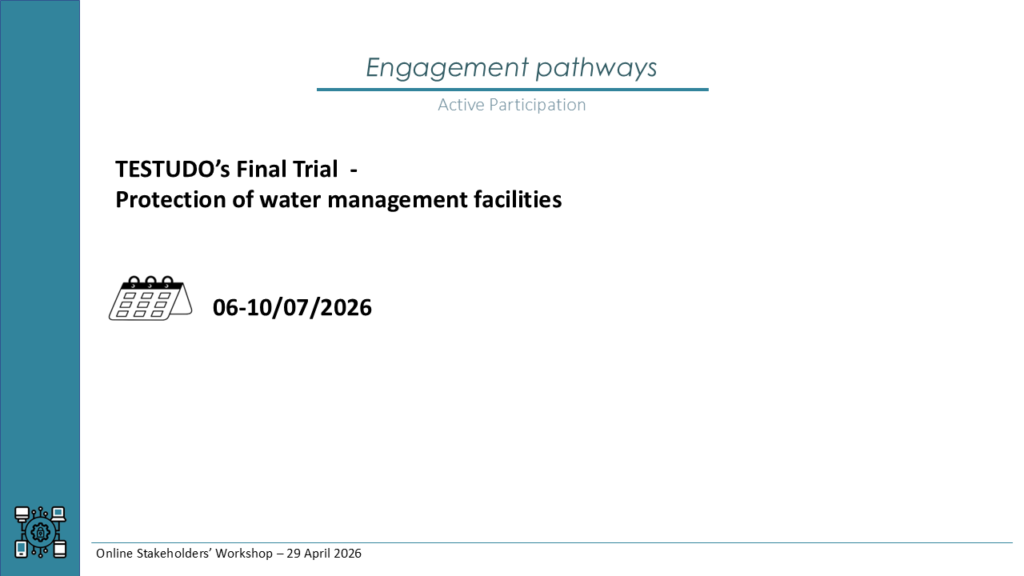
Between 6 and 10 July 2026, the final TESTUDO system trials took place, this time focusing on the protection of water sector critical infrastructure. Project partners gathered in Greece to prepare, complete the final integration of, and test the system components that, when combined into a single operational solution, were expected to prove their effectiveness in real-life scenarios.
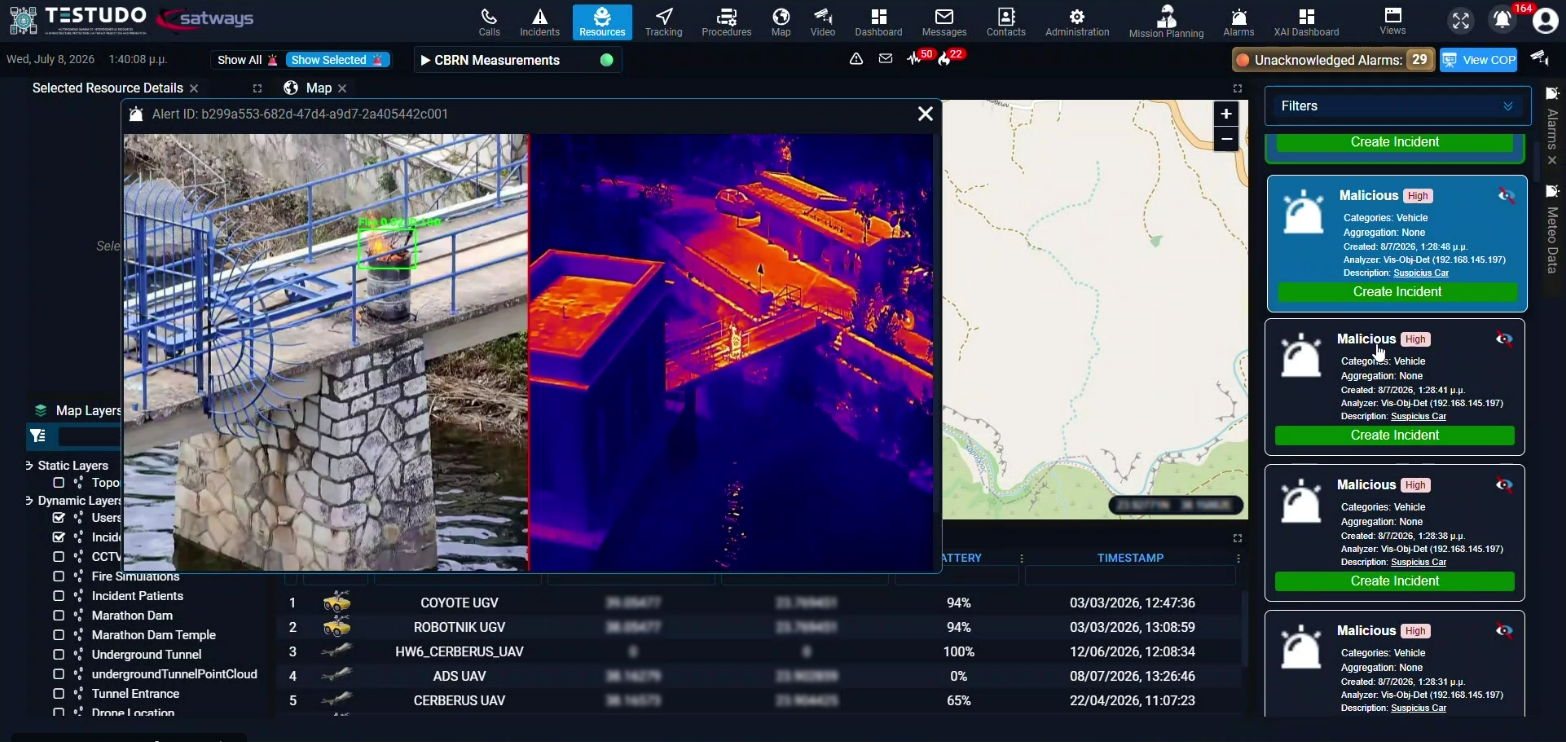
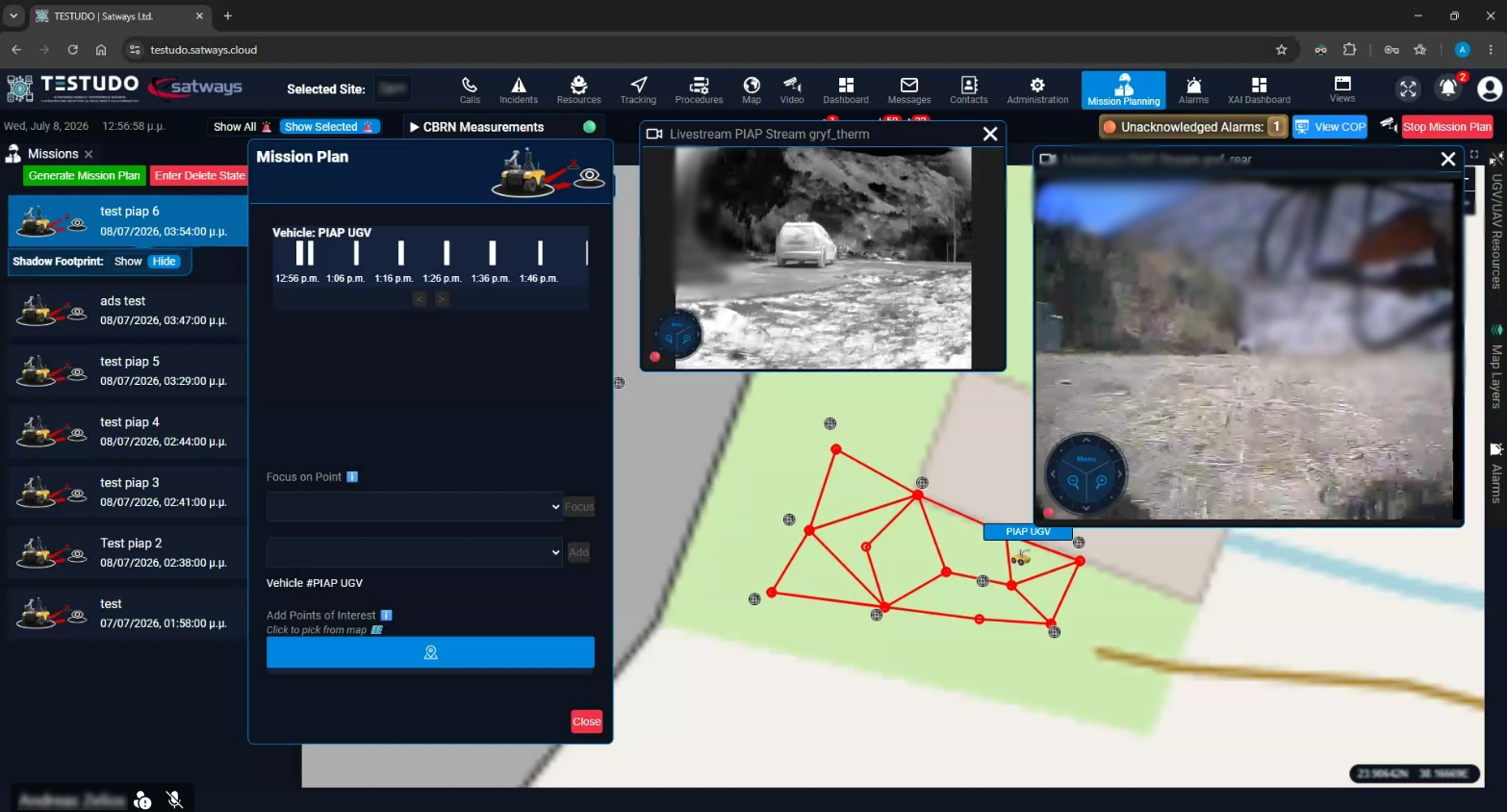
During the demonstrations, ground robots and aerial drones were tested under realistic operating conditions. In addition to providing environmental data through RGB cameras, thermal imaging cameras, and chemical contamination detector, TESTUDO assets also demonstrated the ability to interact with their surroundings, including the detection and inspection of a suspicious backpack.
Project partners and invited stakeholders had the opportunity to see first-hand the developed software modules, enabling real-time data analysis and visualisation, together with the hardware platforms integrated within the TESTUDO system, successfully performing the tasks defined in the operational scenario.
Technical data collected during the final trials will now be thoroughly analysed. The results will serve to assess the performance of the individual components as well as contribute to the final evaluation of the whole TESTUDO system.
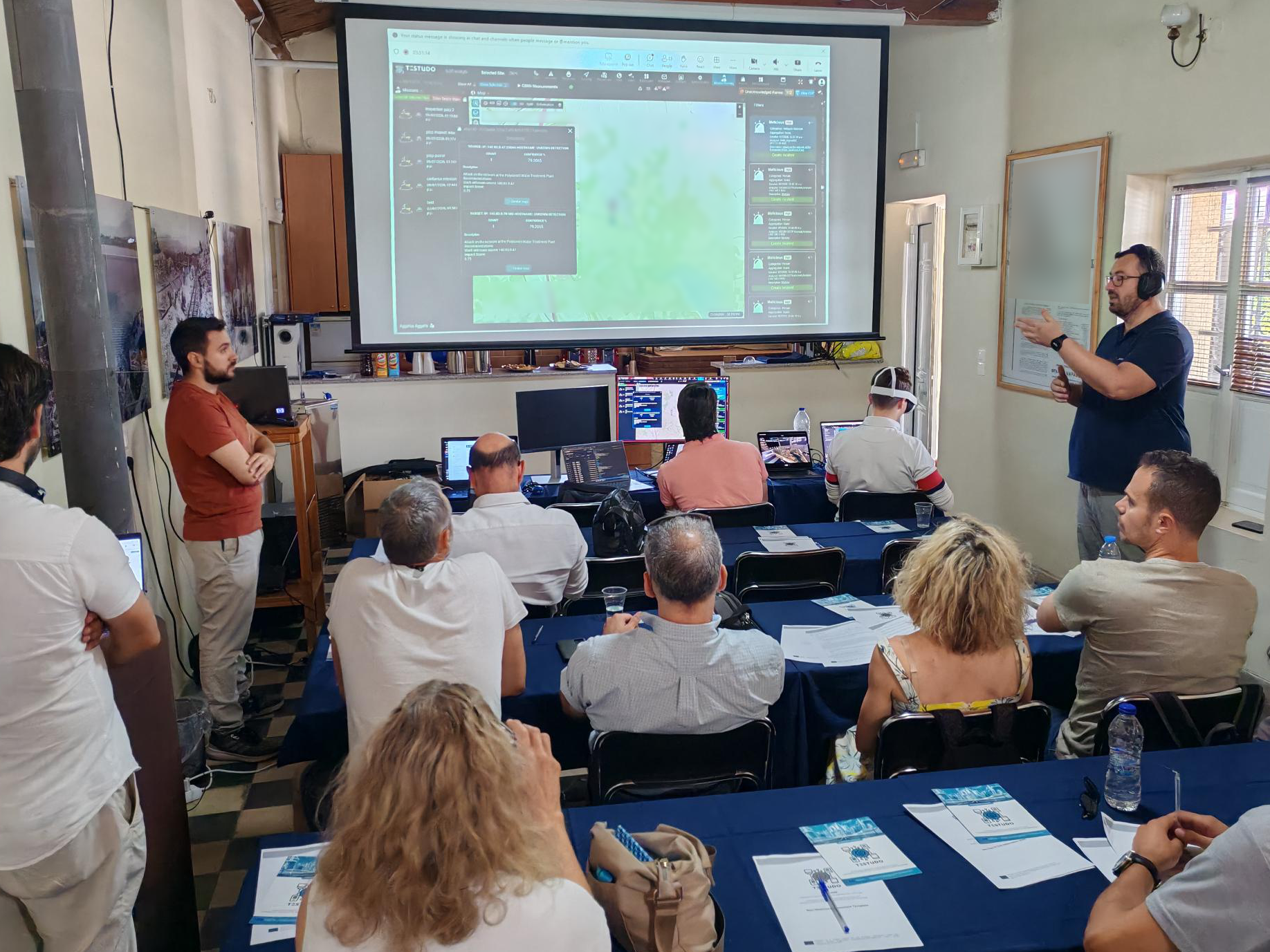
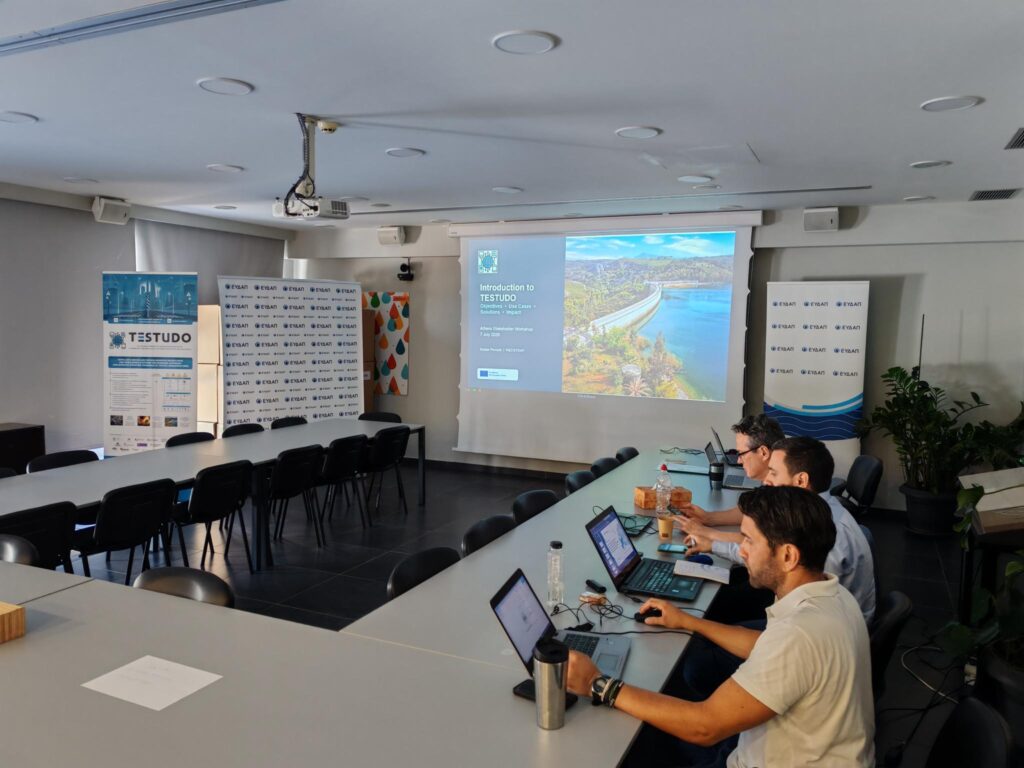
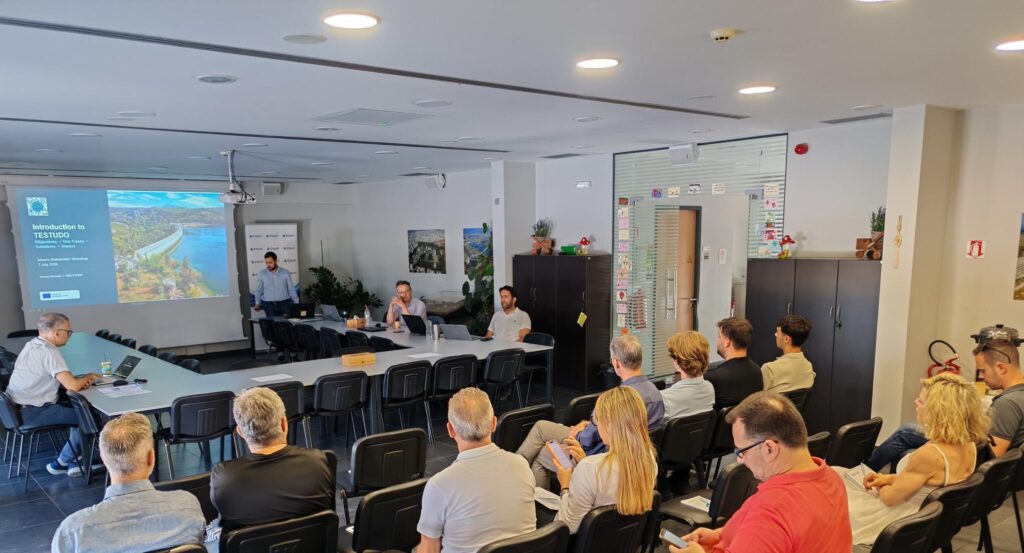
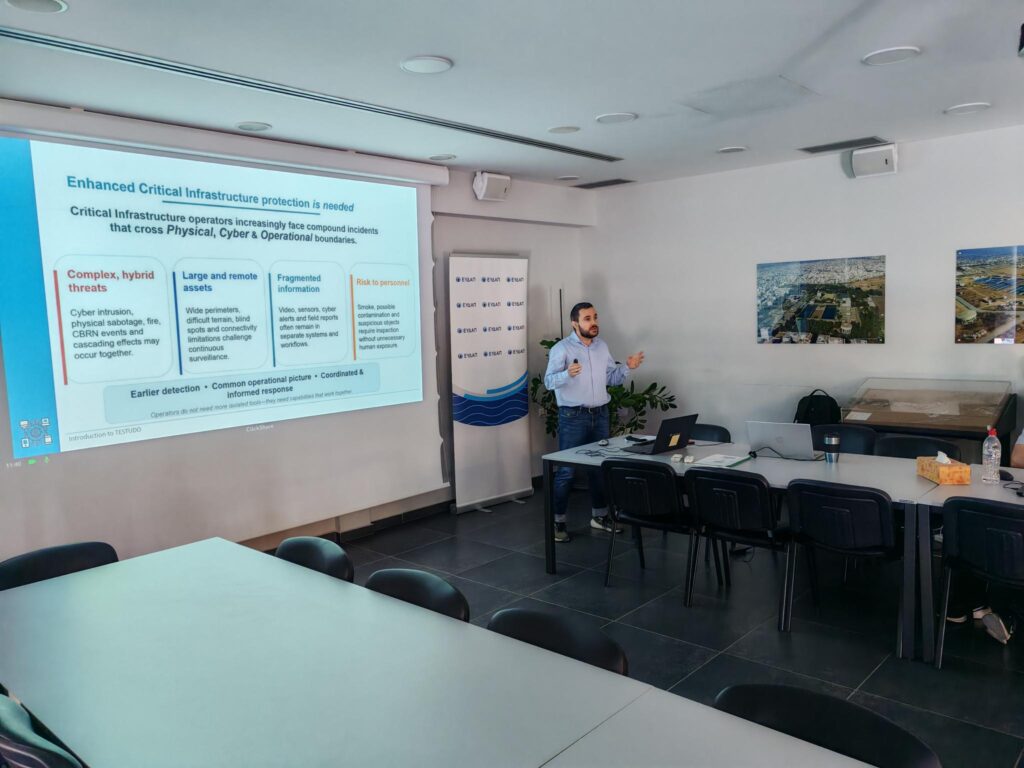
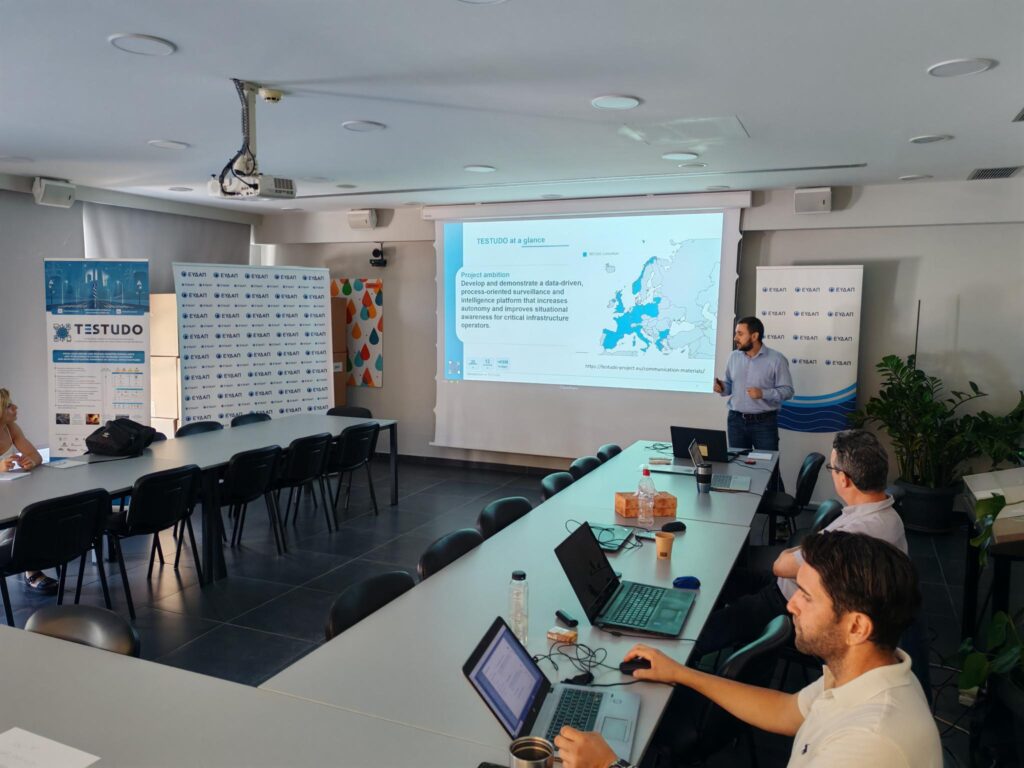
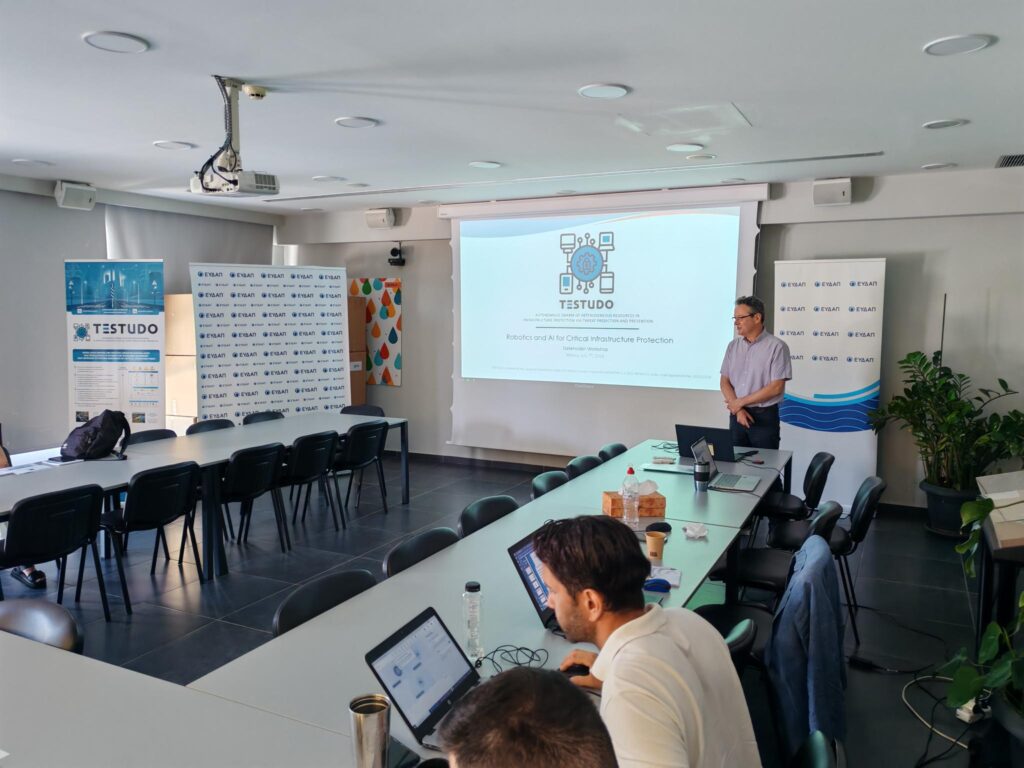
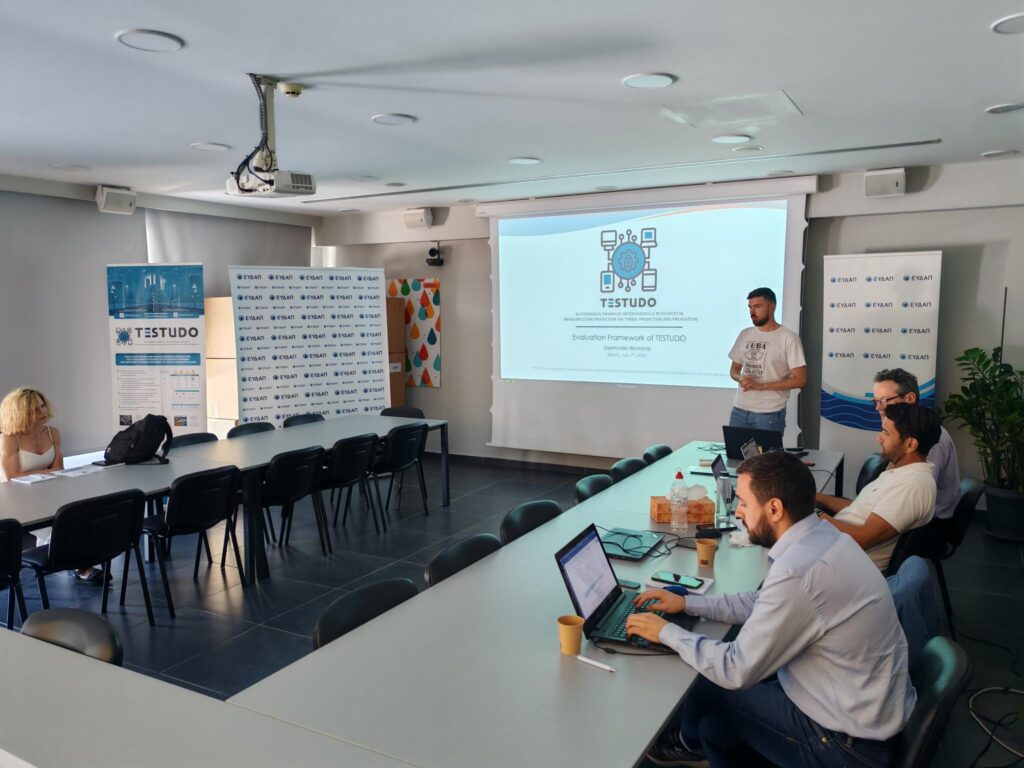
On July 7th, 2026 in Athens, TESTUDO held its final training workshop for CI stakeholders that was focused on presenting the project use cases, solutions and impact as well as training on the project’s solutionand shaping a roadmap for future technical and commercial collaboration.
The workshop gathered over 20 participants (on-site and remote) and it was targeted at presenting to the TESTUDO end-users the expected UC3 results and gathering their feedback for evaluation via dedicated questionnaires.
The stakeholders’ expertise and perspective are vital for the project exploitation plans to ensure the solutions developed in TESTUDO are aligned with real-world market needs and user requirements, considering also all potential regulatory, technical, or social barriers to adoption.
TESTUDO project has become a member of Societal Resilience Cluster of Projects. The main objective of the cluster is to unite projects focused on Secure Societies, particularly those emphasising community engagement and societal involvement. It brings together projects under the Disaster Resilient Societies framework that share a common goal of improving responder technologies.
Endorsed by Community for European Research and Innovation for Security (CERIS) and the European Research Executive Agency (REA), SRC fosters collaboration by encouraging members to share ideas, research findings, lessons learned, and project progress. Participation in debates, shared events, and synergy-building activities is highly encouraged, ensuring that the Cluster remains a vibrant and active knowledge-sharing community.
TESTUDO project will bring great synergies to the activities of the SRC via participation in the cluster meetings and events as well as cross-projects collaboration.
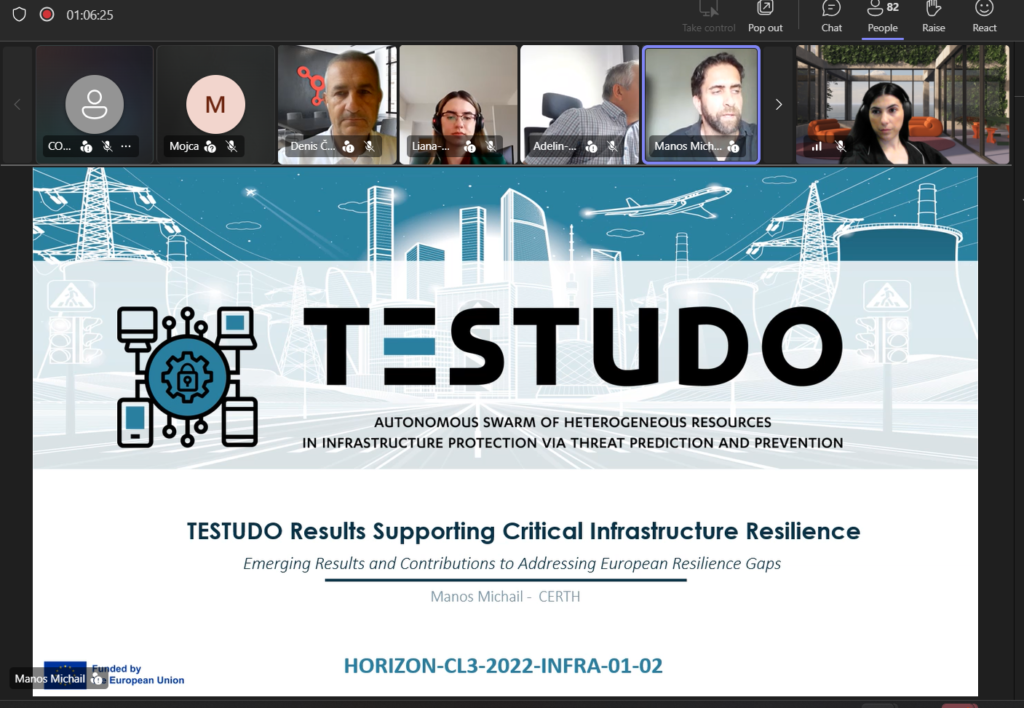
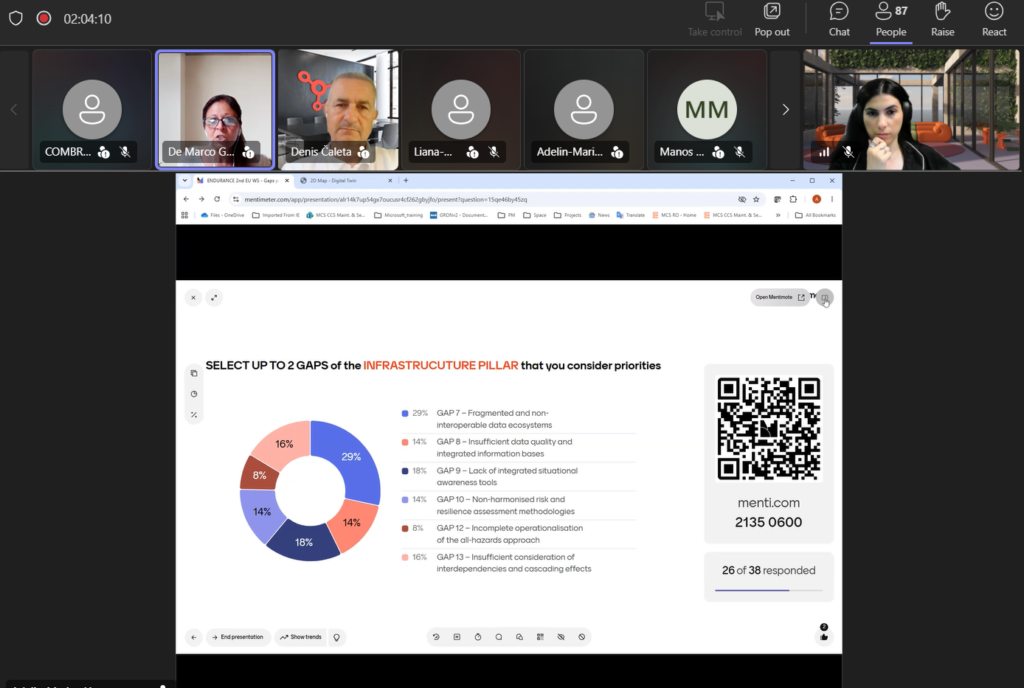
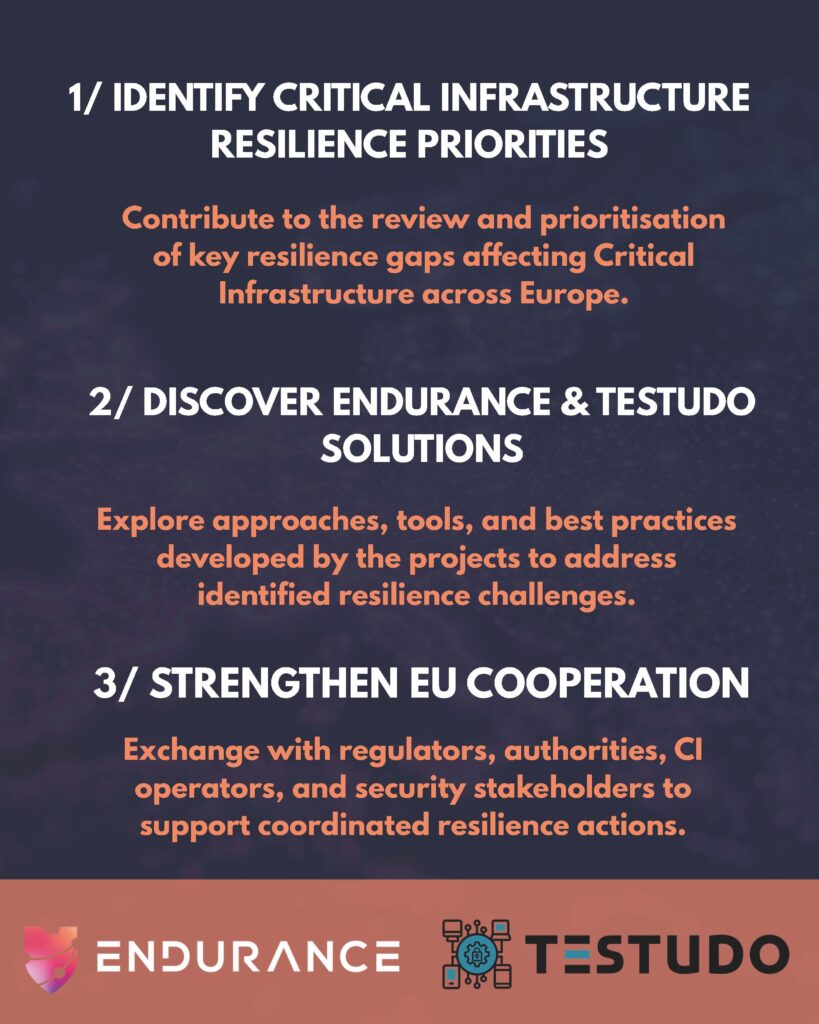
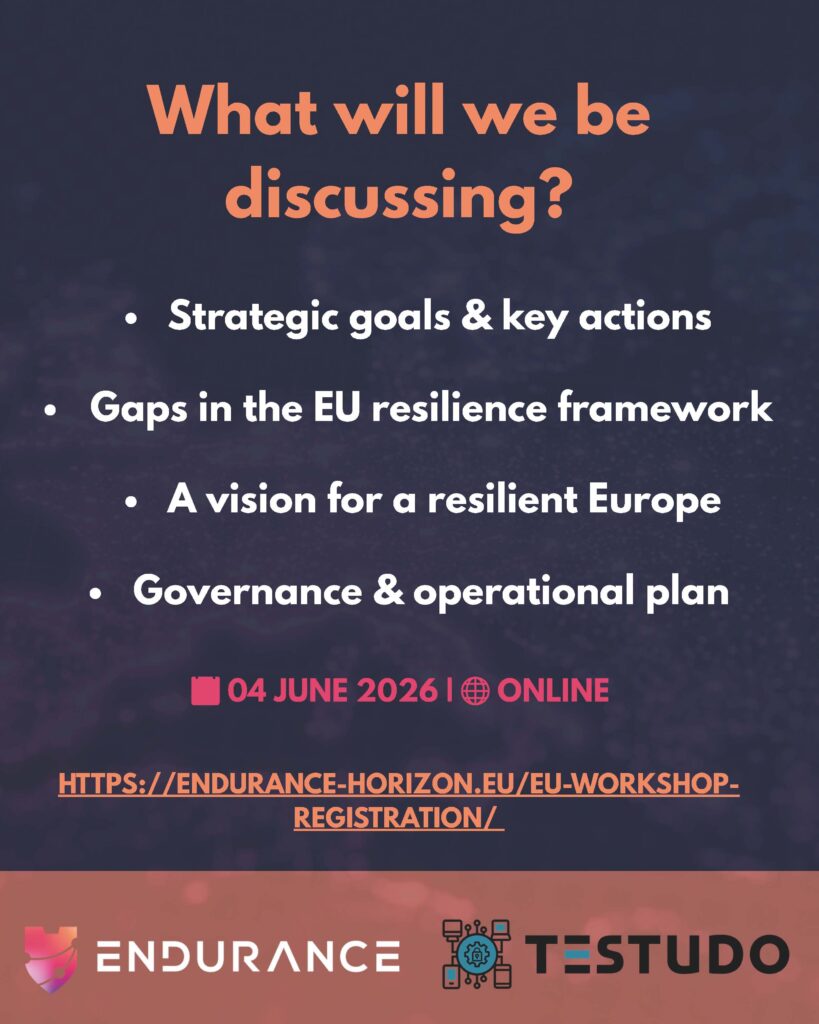
On June 4th, 2026 TESTUDO and ENDURANCE projects held jointly an online workshop for stakeholders focused on EU Cross-border Collaboration.
The workshop was targeted to all the relevant Critical Infrastructure stakholders: national and international law enforcement and security agencies, CI operators, security experts across all security domains, members of related security projects and networks and members of standardisation bodies.
The workshop has gathered over 100 participants from across Europe, fostering interesting and fruitful discussions with valuable insights, innovative ideas and practical perspectives on resilience challenges, priorities and opportunities for enhanced collaboration.
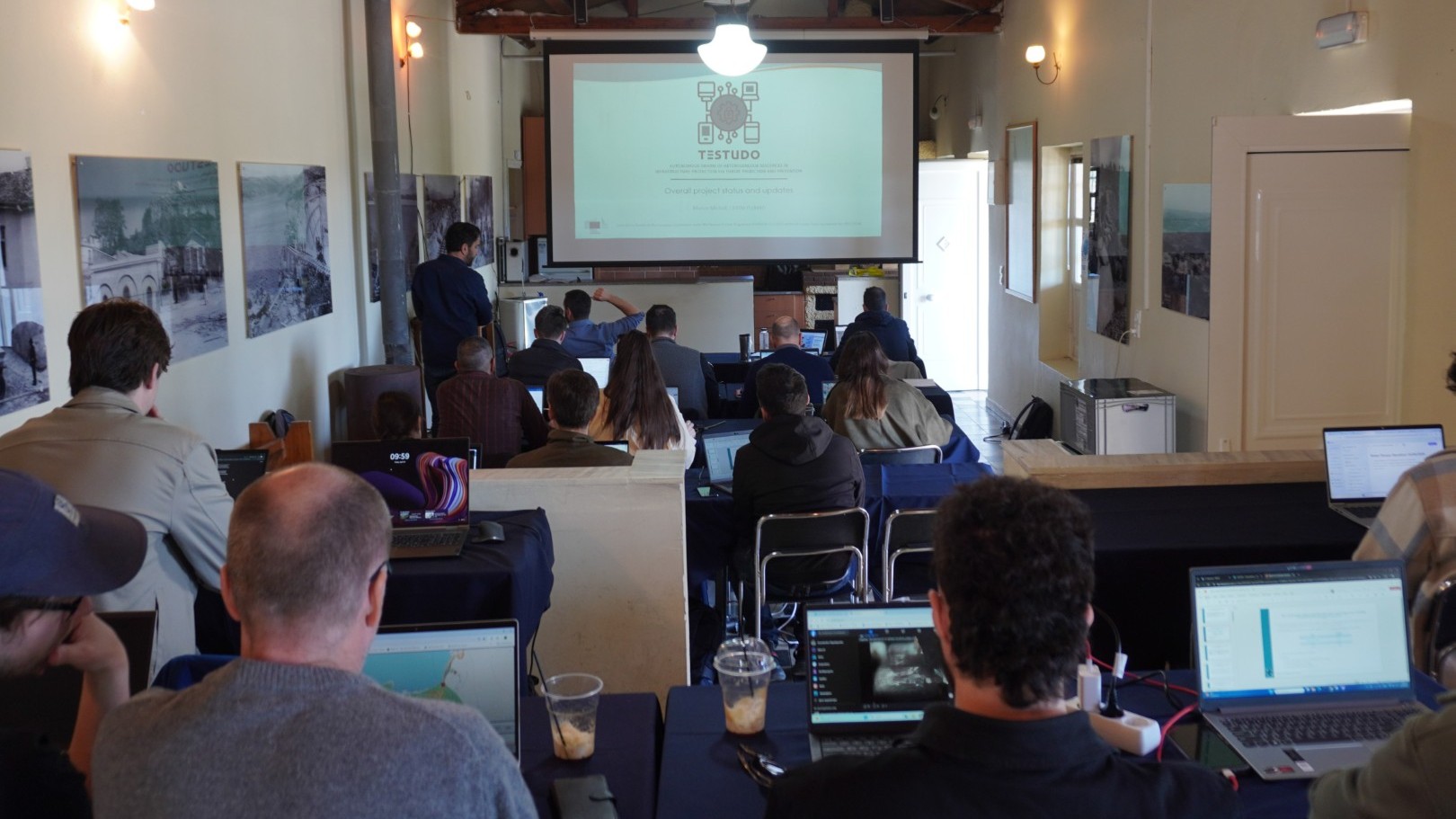
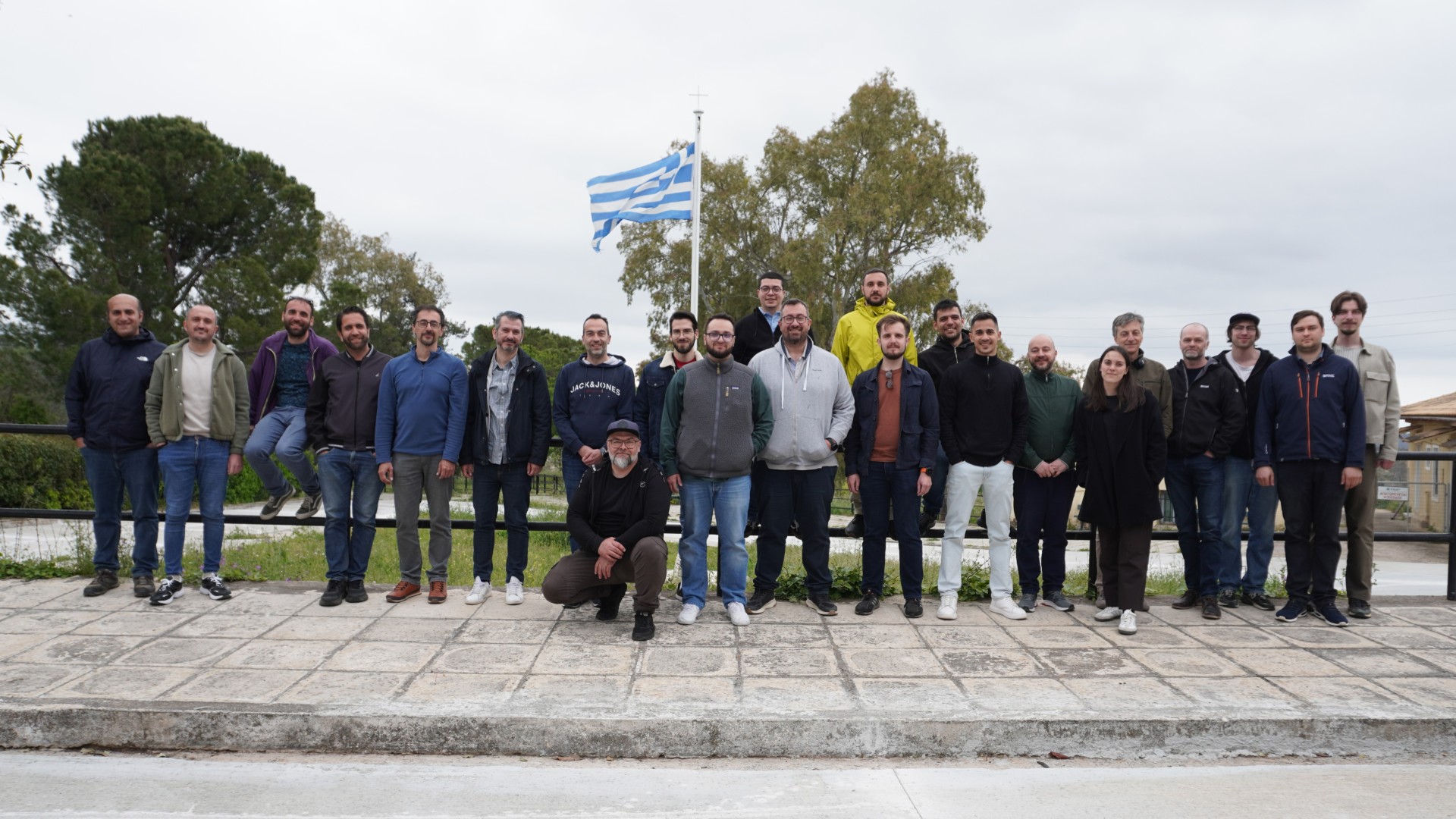
The fifth in-person plenary meeting of the TESTUDO project took place on April 24 near Athens, Greece, at a picturesque location managed by EYDAP.
During the meeting, partners discussed a summary of recent project activities, with a particular focus on the recently completed trials. These activities laid the groundwork for the upcoming demonstration under Use Case 3. The data collected during the trials confirmed that the defined objectives had been successfully achieved. As usual, participants were also presented with the current status of work on the TESTUDO system, organised by individual work packages.
The meeting concluded with a clear outline of the consortium’s next steps. In the near future, project partners will carry out a preliminary evaluation of the system based on the collected data. Over the next few weeks, the focus will be on completing the final system integration ahead of the final project phase — the UC3 demonstration.
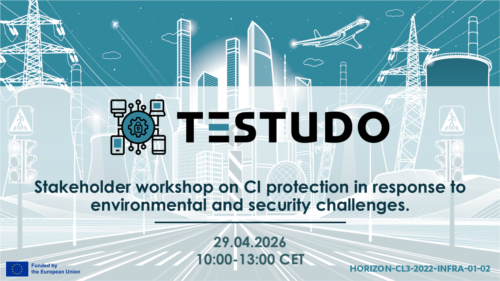
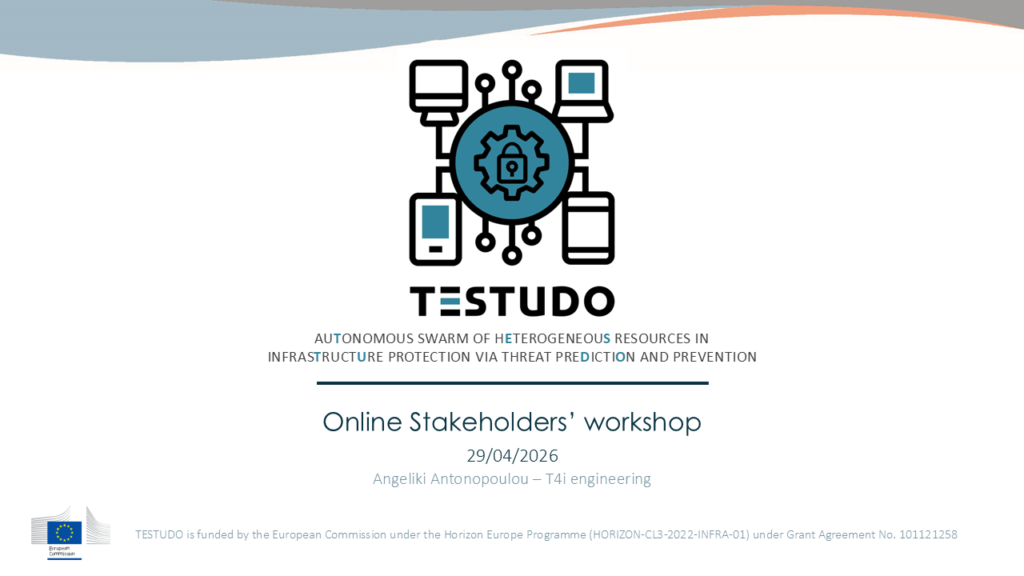
On April 29th, 2026 TESTUDO held an online workshop for stakeholders focused on CI protection in response to environmental and security challenges.
The workshop was targeted to all the safety and security professionals in critical infrastructures: tunnel construction companies and tunnel operators, Fire Brigades, Police, UAV providers, chemical industries, traffic monitoring centres and other key players of the technologies developed in the project.
Workshop presentations and discussions were focused on identifying safety & security challenges in tunnels and water facilities as well as recently completed TESTUDO UC2 trials and integrated technical training for the end-users.
The stakeholders’ expertise and perspective are vital for the project developments to ensure they are aligned with real-world market needs and user requirements and consider all potential regulatory, technical, or social hurdles to adoption.
TESTUDO consortium invites all the safety and security professionals in critical infrastructure protection to join the TESTUDO Stakeholders Community and become a member of the Stakeholders Forum via contacting: testudo@t4ieng.com
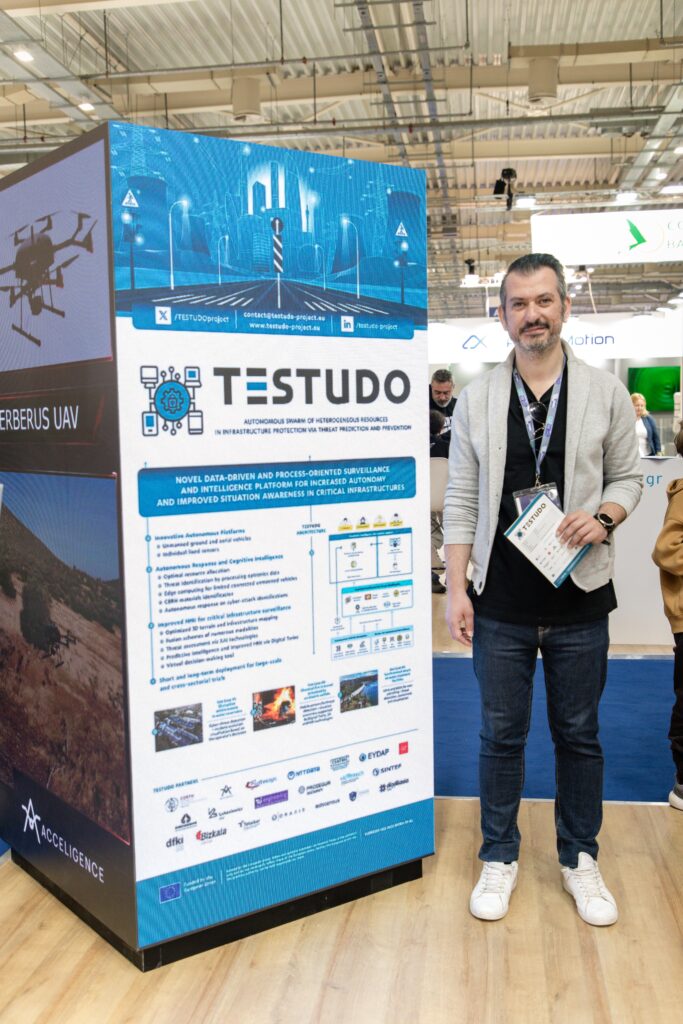
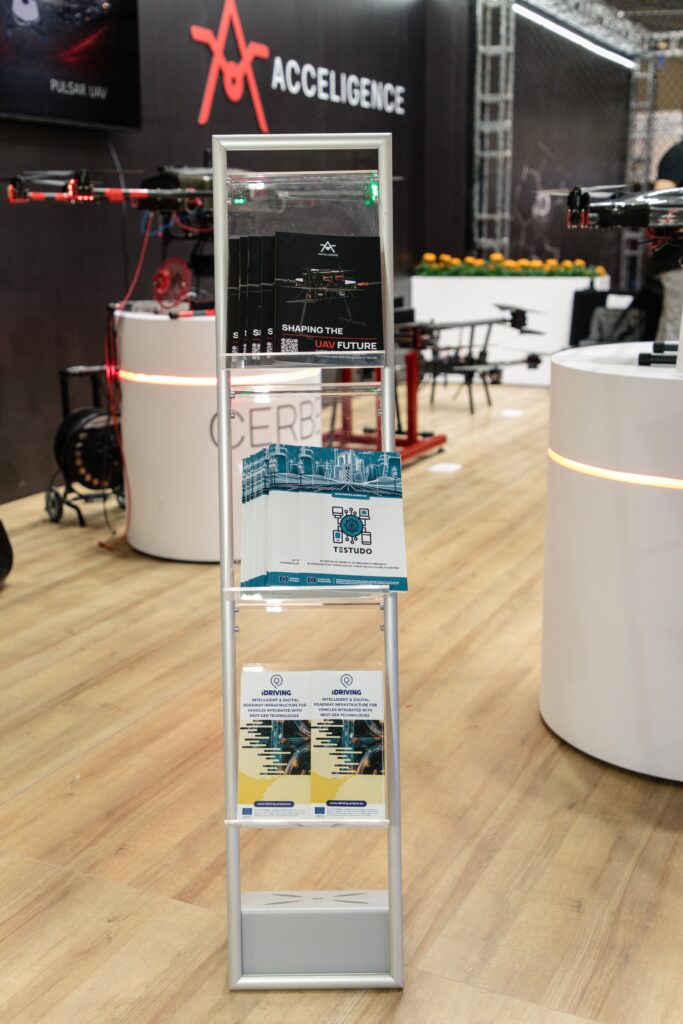
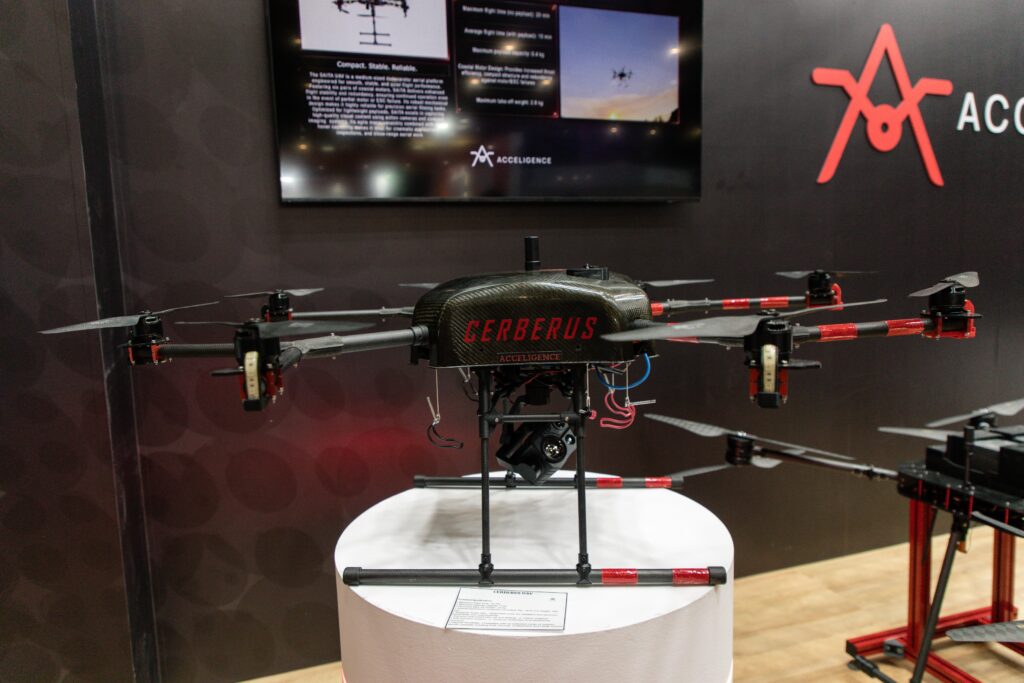
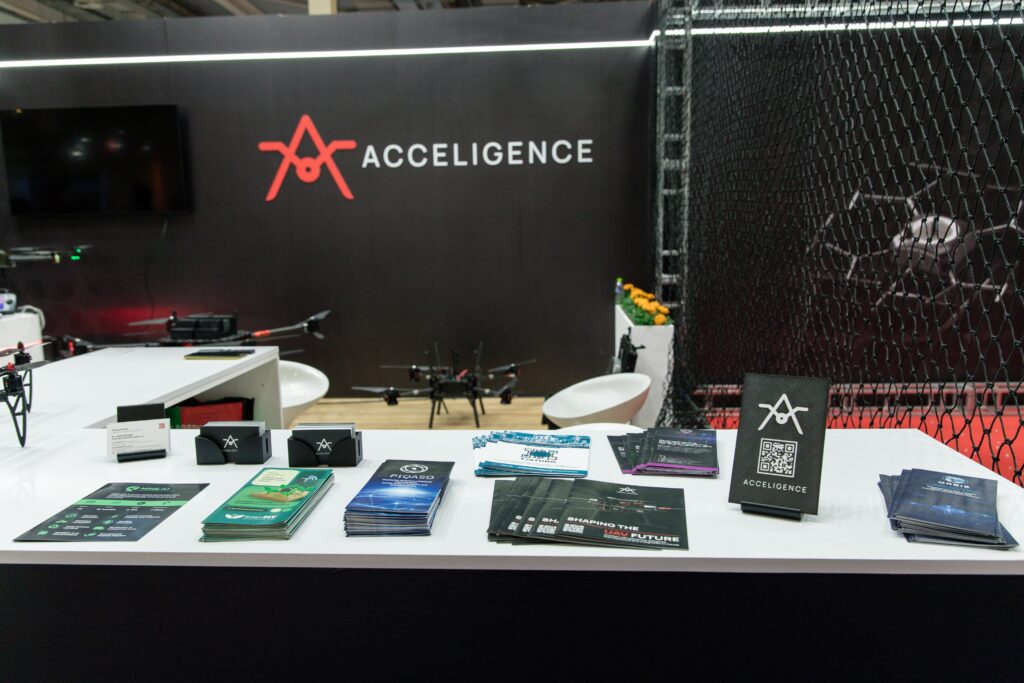
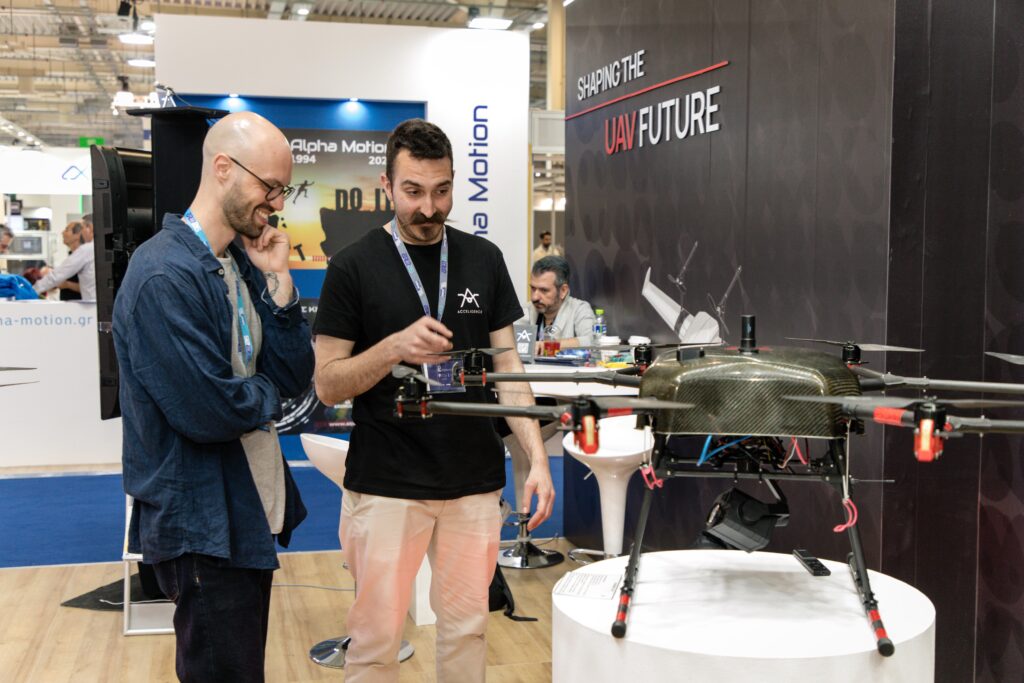
ACCELI presented various types of their UAVs, with the versatile octa-copter CERBERUS among them, which will be utilised as one of the TESTUDO assets.
The A+R Expo ’26 is the most important exhibition event for the automation and robotics sector in Greece, where the most advanced technological solutions in automation and robotics are presented, along with new and emerging technologies such as Artificial Intelligence and drones.
The discussions taking place during the exhibition and the open exchanges of views help to highlight new trends and draw useful conclusions for the future of the sector. The topics covered range from the application of AI and machine learning technologies to the impacts of automation on employment and society in general.
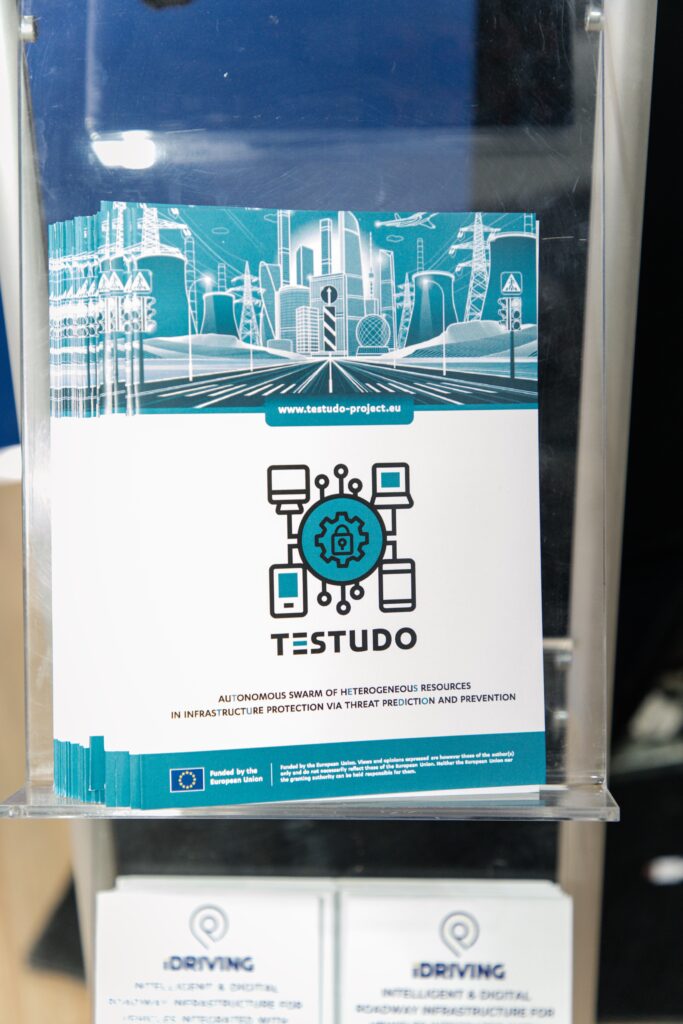
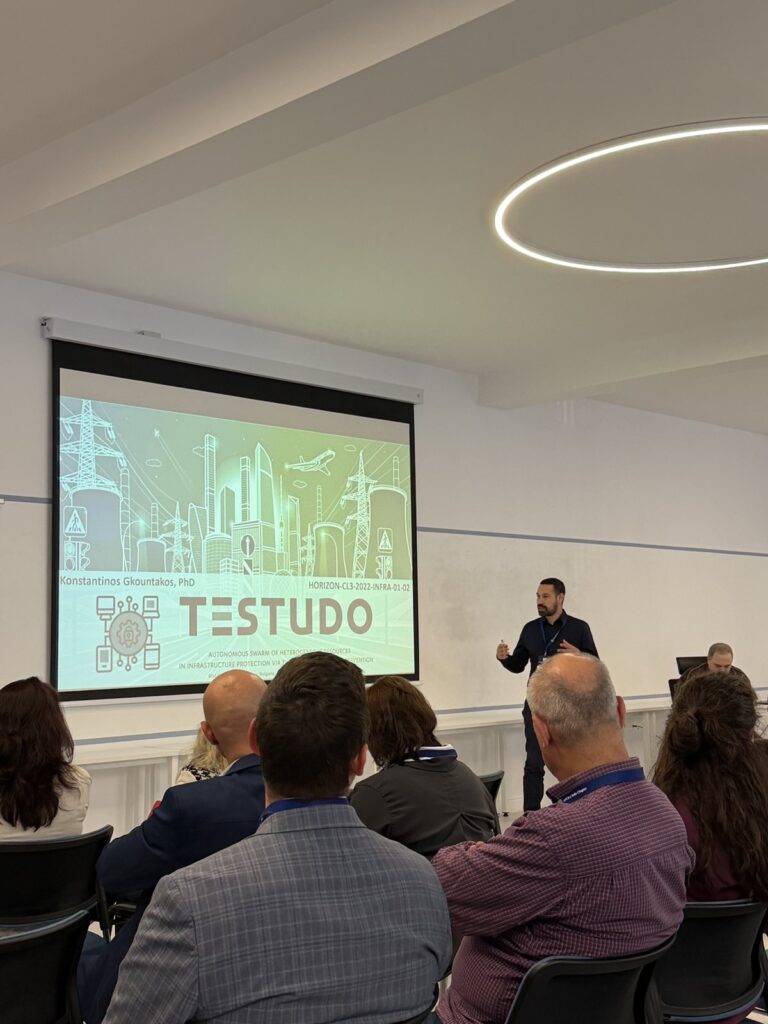
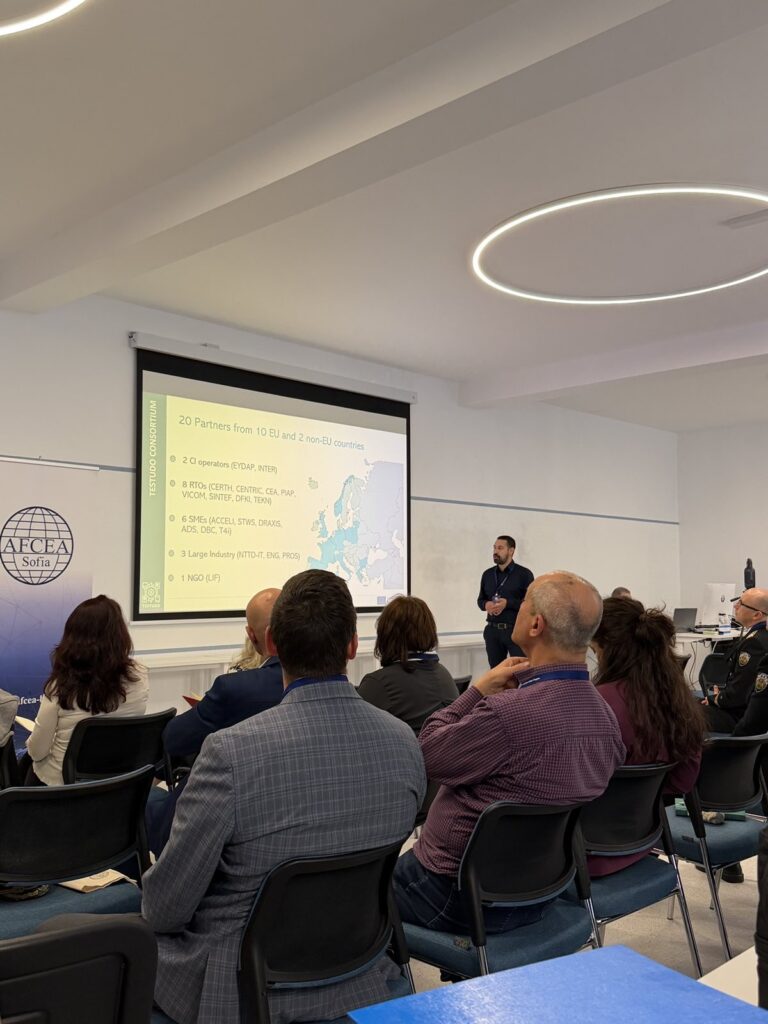
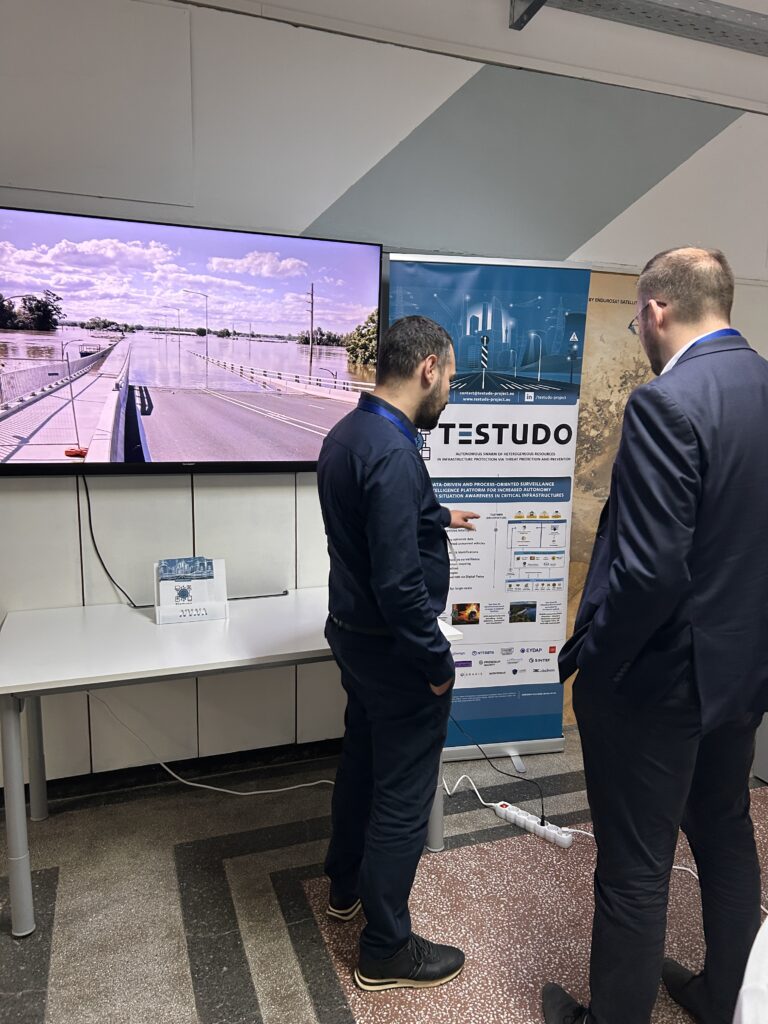
Konstantinos Gkountakos presented TESTUDO, its strategic goals and objectives, system architecture, technological assets and three Use Cases. The project was also presented at a dedicated booth featuring a roll-up banner, promotional video, and brochures, allowing direct engagement with attendees.
The goal of the RISE-SD 2026 was to provide a unique forum for disseminating scientific results, support knowledge exchange, and create networking and clustering opportunities for security stakeholders of EU-funded projects in security and defense.
Each year the Symposium serves as a platform to boost cooperation among scientific organisations, SMEs and the European security industry, practitioners, policymakers as well as other stakeholders with the overall objective to ensure a successful market uptake of the European research results in security and defence.
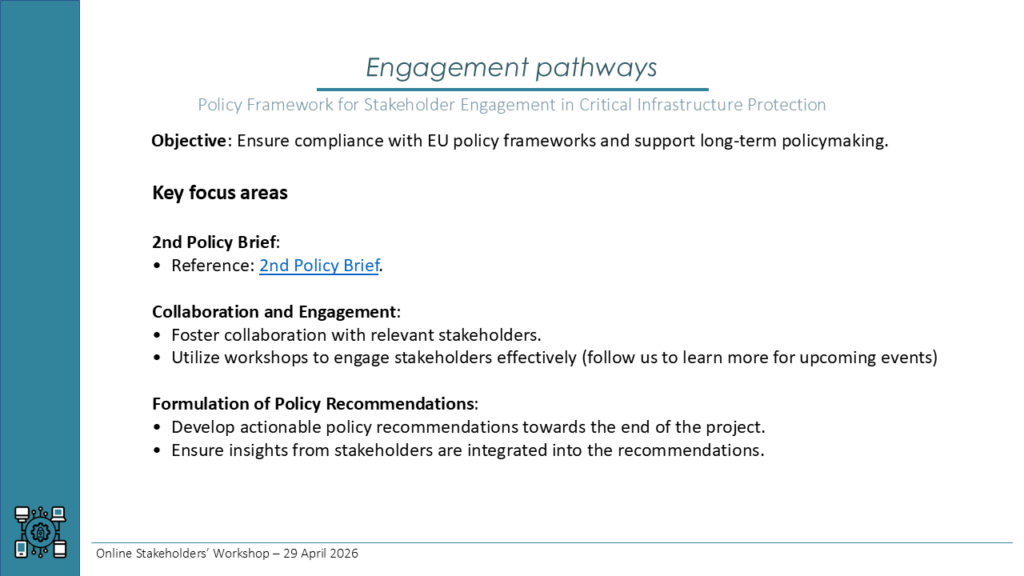
Today, the 2nd TESTUDO Policy brief “Operational Readiness in Critical Infrastructure Protection: Early Insights from TESTUDO Pilots“ has been publicly released.
Key Highlights
TESTUDO strengthens critical infrastructure protection through an integrated, real-time platform combining AI-enabled detection, predictive analysis, multi-sensor fusion, and coordinated robotic assets to enhance operational readiness.
UC2 pilot validation confirmed high-accuracy visual detection above 80% mean Average Precision (mAP), predictive accuracy of 80% or higher, stable low-latency performance under concurrent sensor feeds, and smooth system integration across components.
User feedback identified usability constraints, including alert overload and limited multi-sensor correlation, highlighting the need for improved prioritisation and clearer visualisation.
While aligned with the key EU frameworks, TESTUDO pilots underscored the absence of harmonised EU validation and certification pathways for AI- and autonomy-enabled critical infrastructure protection tools.
Context and objectives
This brief evaluates TESTUDO’s operational readiness and pilot outcomes, aiming to translate early evidence into actionable EU policy. It emphasizes performance, usability, and interoperability lessons learned from realistic pilot deployments.
Key Achievements and Findings
Critical infrastructure (CI) is essential to public safety, economic stability, and social well-being. However, increasing threats such as cyber-attacks, climate change-induced disasters, and other disruptions necessitate innovative solutions to enhance resilience. The TESTUDO project, funded by the European Commission under Horizon Europe, integrates artificial intelligence (AI), predictive analytics, and autonomous systems to protect CI through real-time threat detection and response.
Technological Progress: Developed a real-time platform for automated hazard identification and decision support tailored to operators.
Pilot Insights: Simulated incidents demonstrated robust performance and integration, but revealed usability constraints requiring improved alert management and visualisation.
Policy Alignment: TESTUDO aligns with EU regulations but faces barriers due to the lack of standardised validation frameworks for AI in critical infrastructure.
TESTUDO in Numbers
Policy recommendations
Short-term (0-1 year): Establish EU-wide testbeds for AI-enabled protection tools, enhancing usability and interoperability.
Medium-term (1-3 years): Integrate predictive AI into national policies, developing common validation standards for autonomous tools.
Long-term (3+ years): Create cross-sector cooperation platforms to sustain preparedness and align AI certification with resilience frameworks.
Key message
Europe’s critical infrastructure faces increasing risks from climate disruptions and cyber-physical threats. TESTUDO demonstrates that AI-enabled solutions can significantly enhance operational readiness but highlights the need for usable systems, clear accountability, and harmonized EU standards to facilitate practical uptake.
Read the full version of the 2nd Policy Briefhere.
On April 29th, 2026 TESTUDO is organising a stakeholder workshop focused on CI protection in response to environmental and security challenges.
The consortium would like to cordially invite all the safety and security professionals in critical infrastructures to participate.
The stakeholders’ expertise and perspective are vital for the project developments – the workshop will be a collaborative space designed to:
Validate the Solution: Ensure the project developments align with real-world market needs and user requirements.
Identify Barriers: Discuss potential regulatory, technical, or social hurdles to adoption.
Build Synergy: Training on the project’s solution and participate in shaping a roadmap for future technical and commercial collaboration.
Date: 29th April 2026 Time: 10:00-13:00 CET Location: Online
Registration is mandatory and avalaible via the form.
We use cookies to ensure that we give you the best experience on our website. If you continue to use this site we will assume that you are happy with it.


 TESTUDO strengthens critical infrastructure protection through an integrated, real-time platform combining AI-enabled detection, predictive analysis, multi-sensor fusion, and coordinated robotic assets to enhance operational readiness.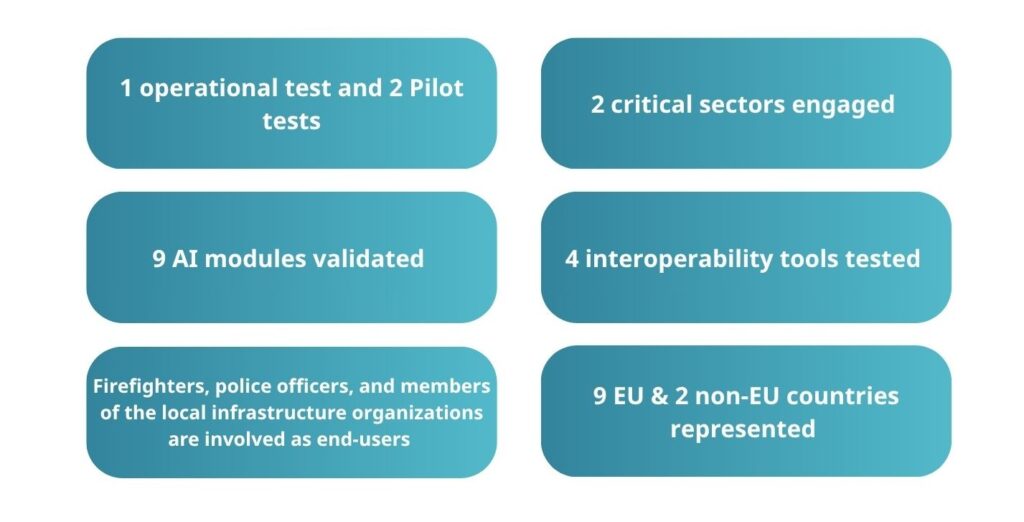
 Validate the Solution: Ensure the project developments align with real-world market needs and user requirements.