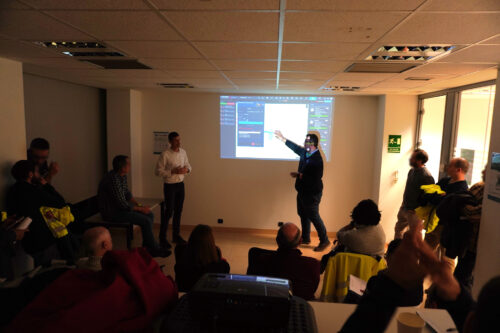
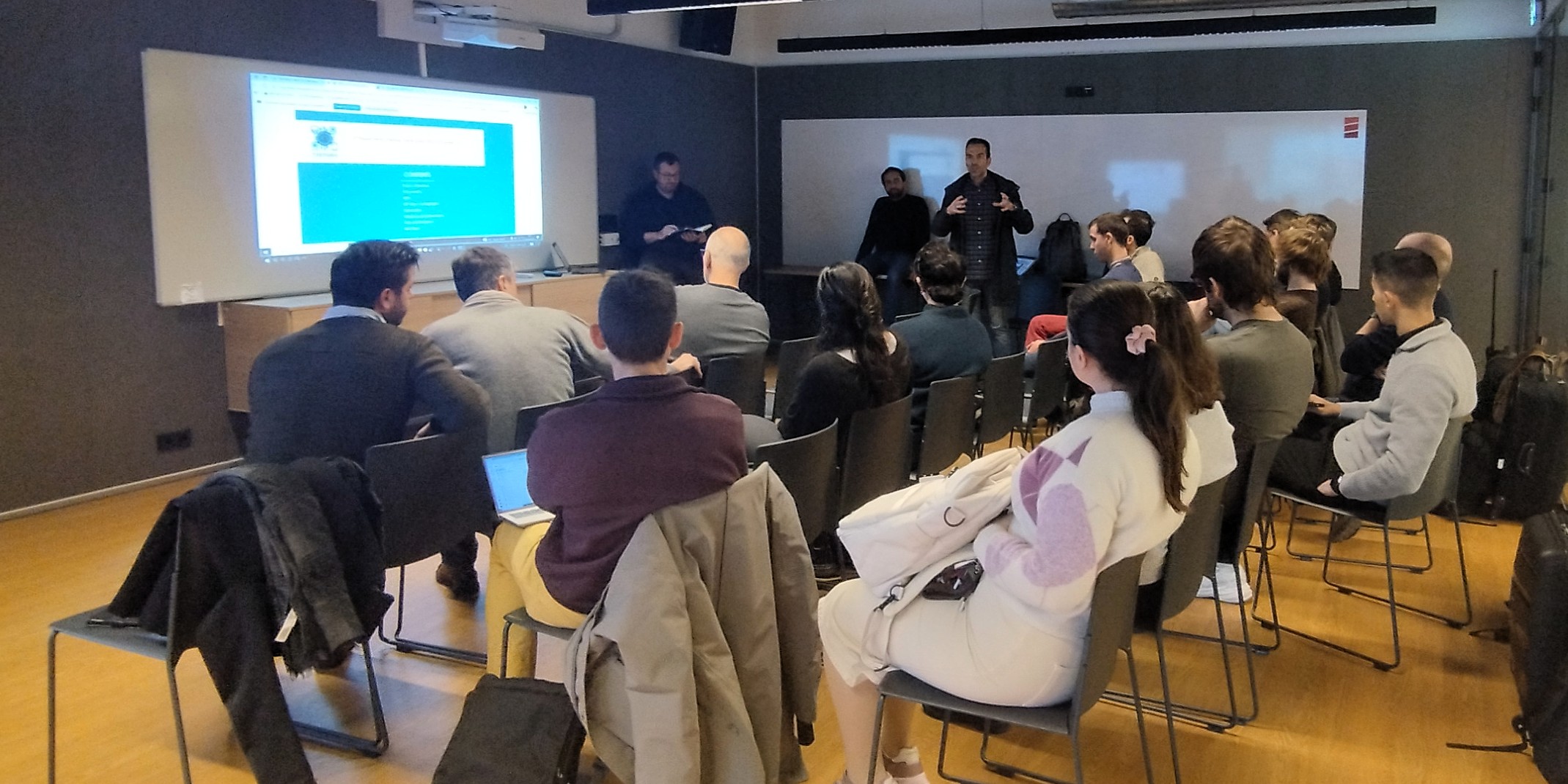
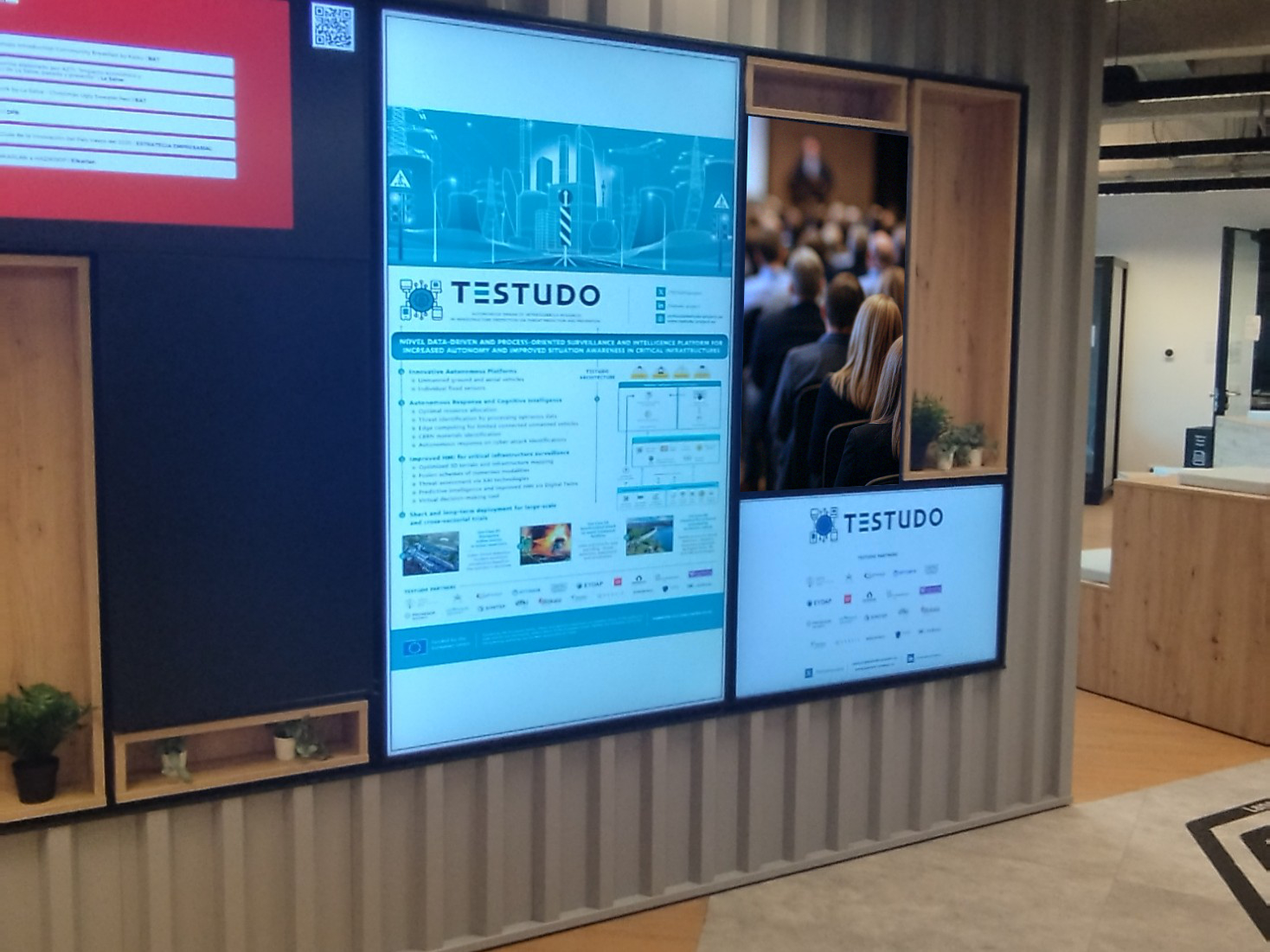
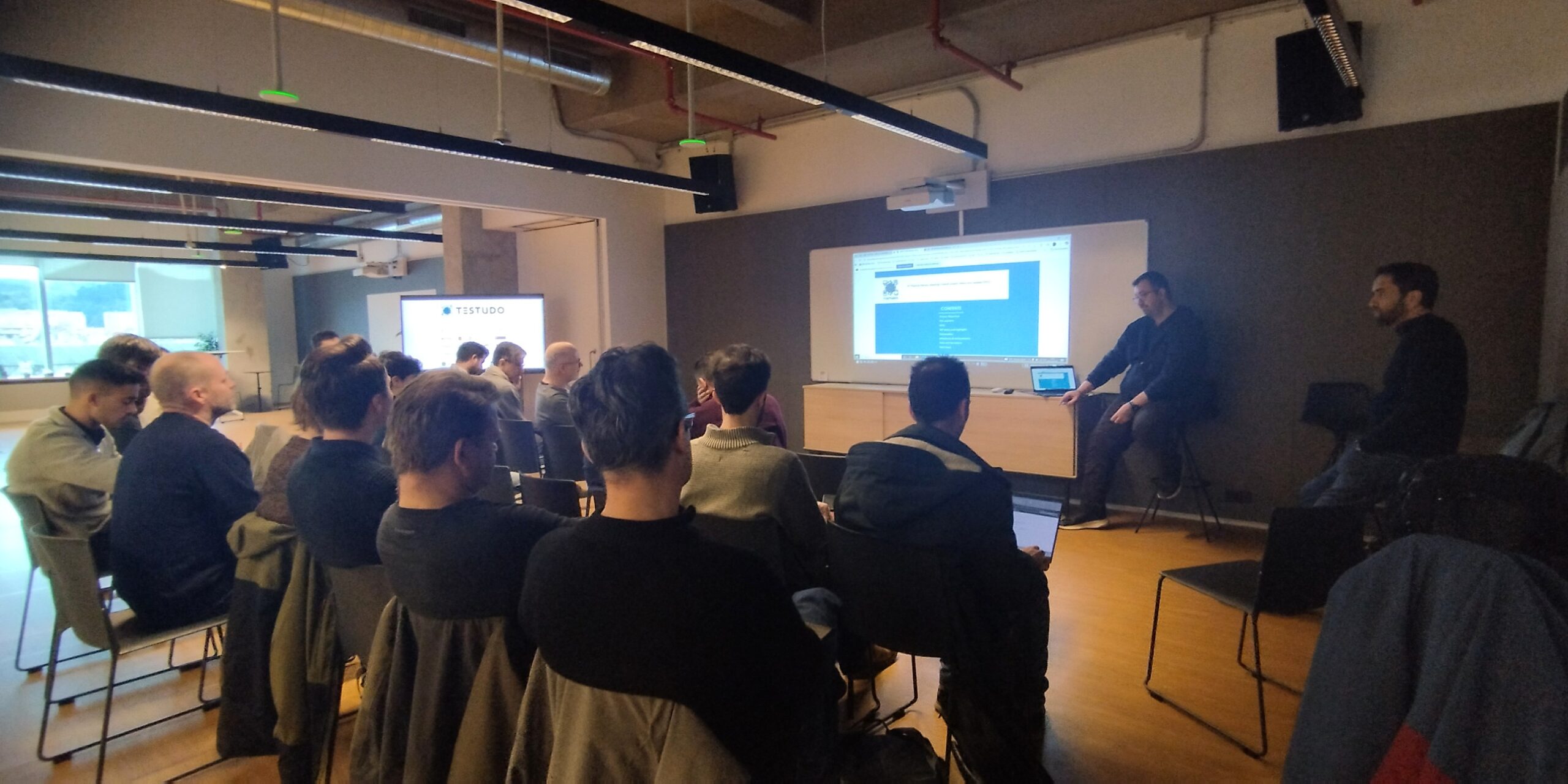
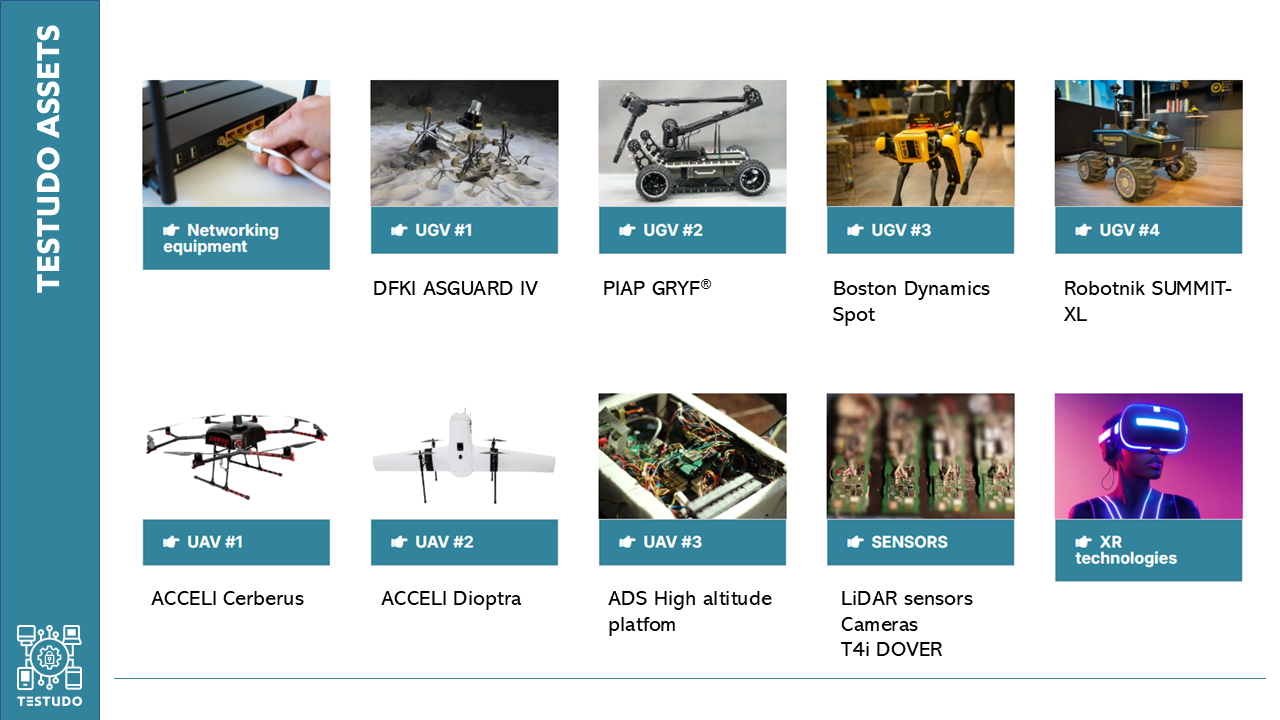
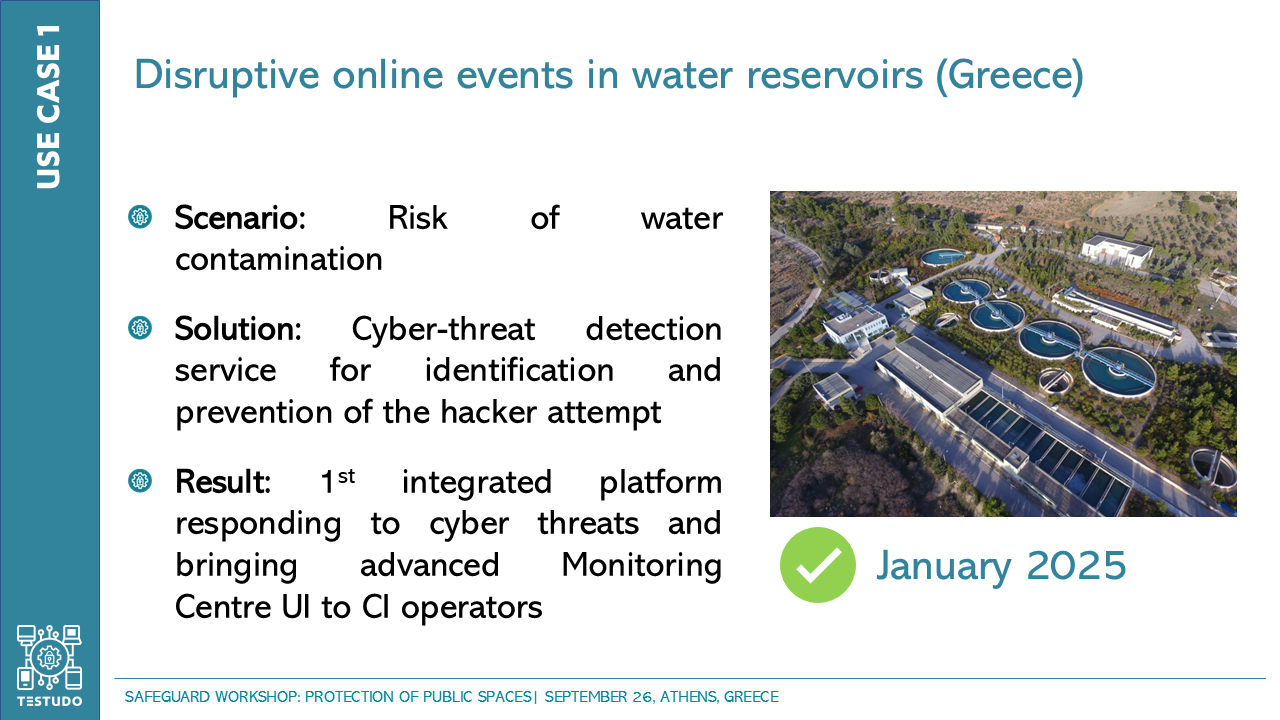
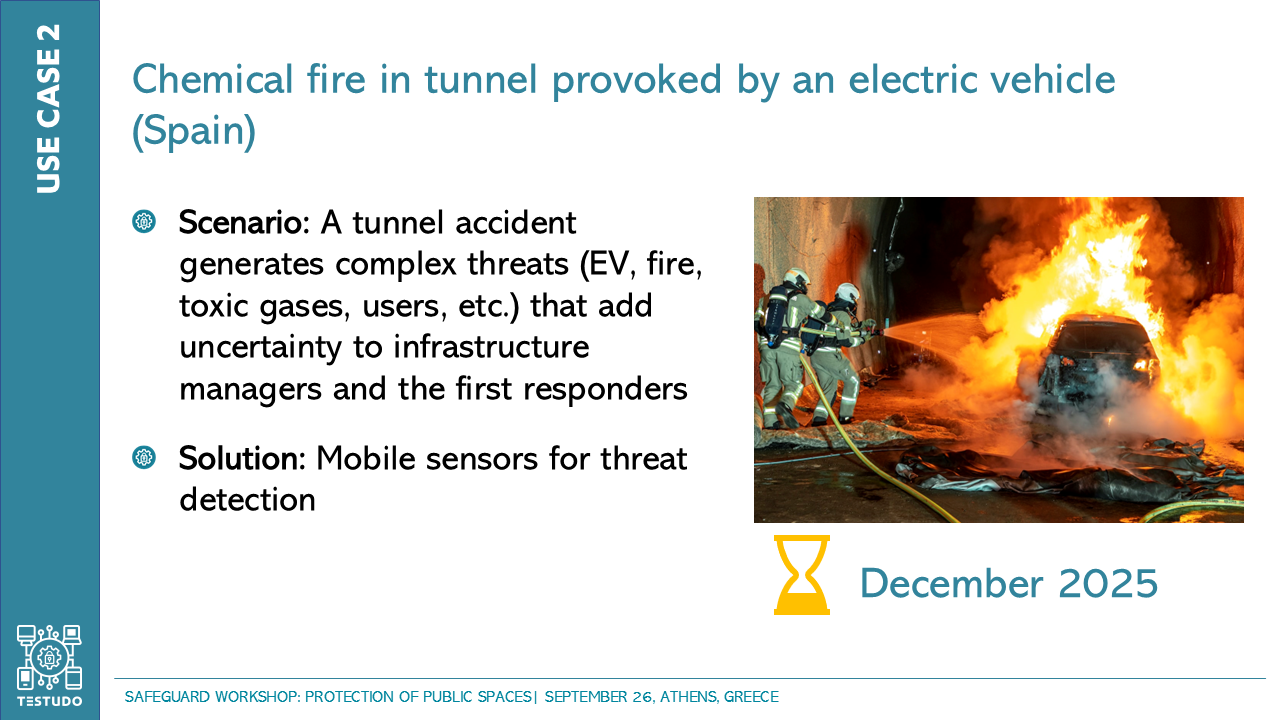
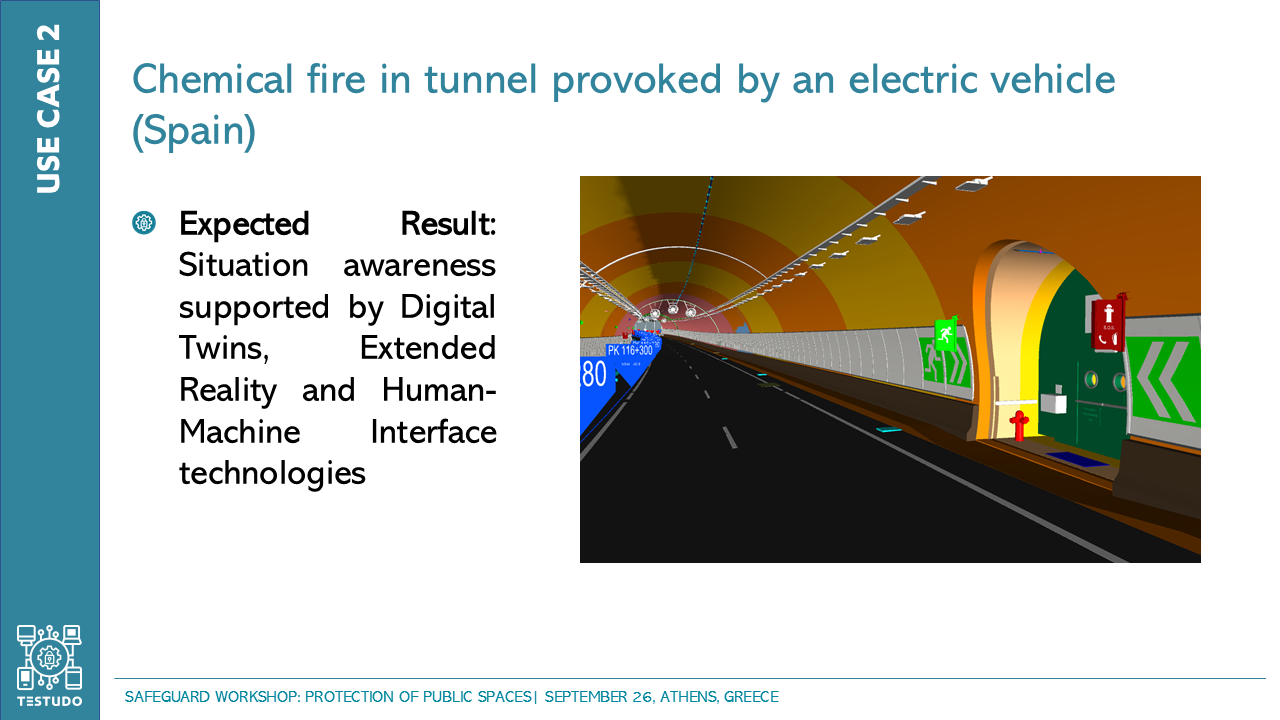
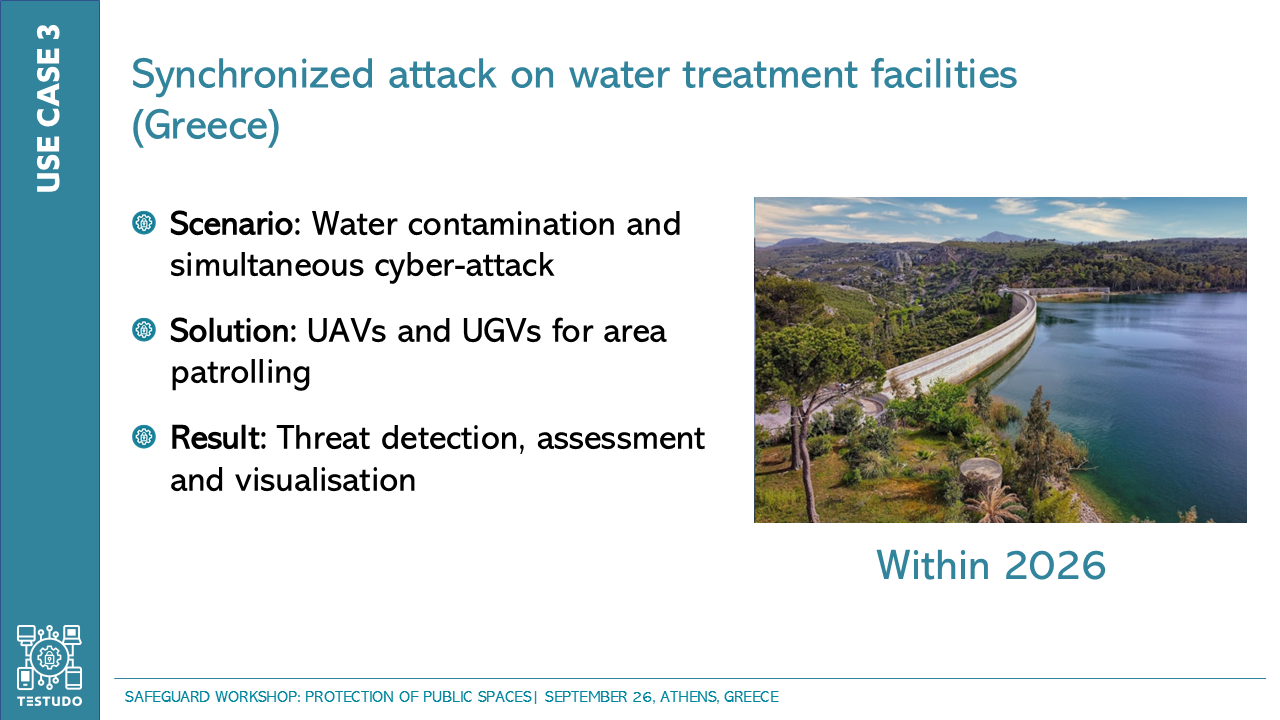
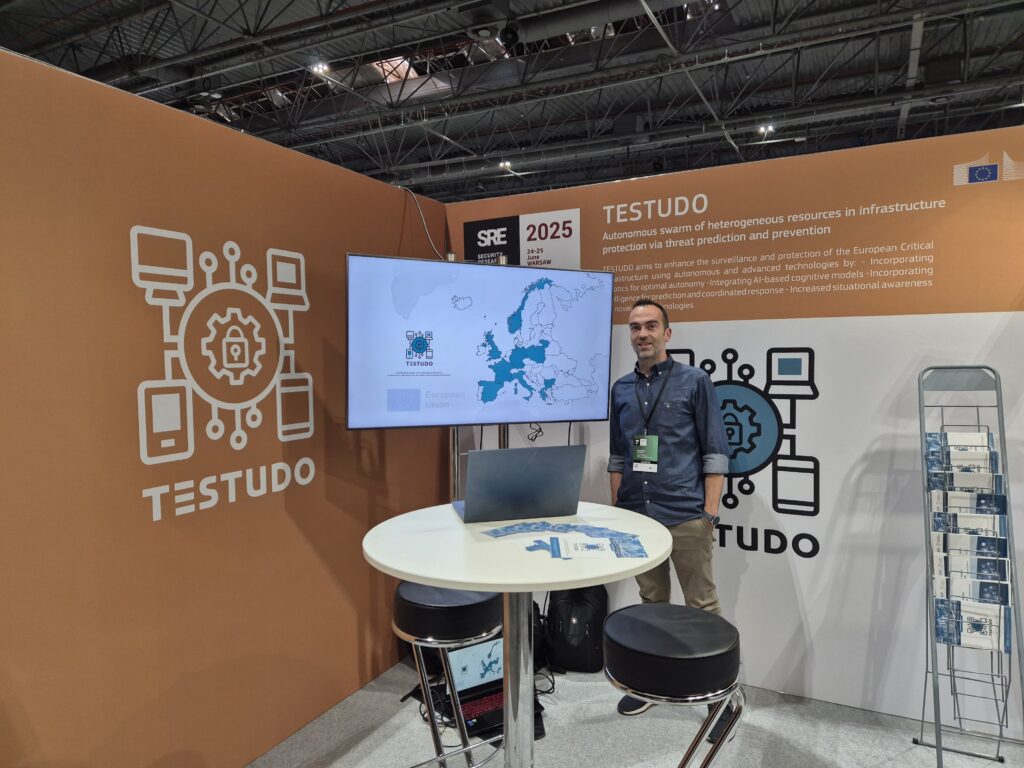
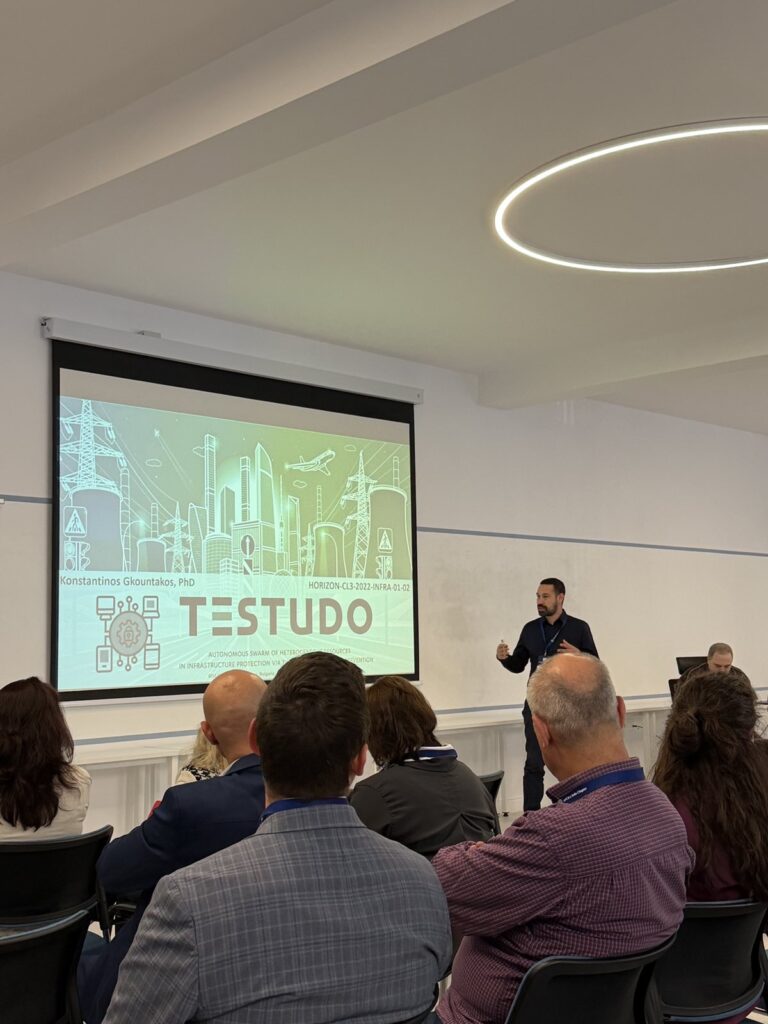
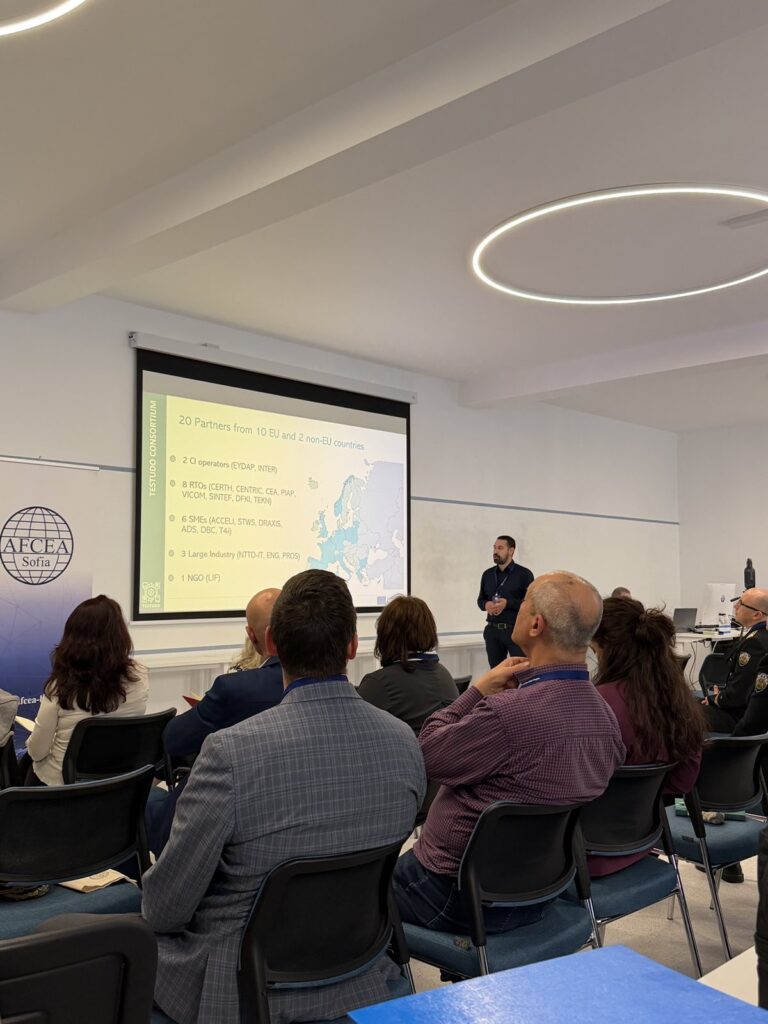
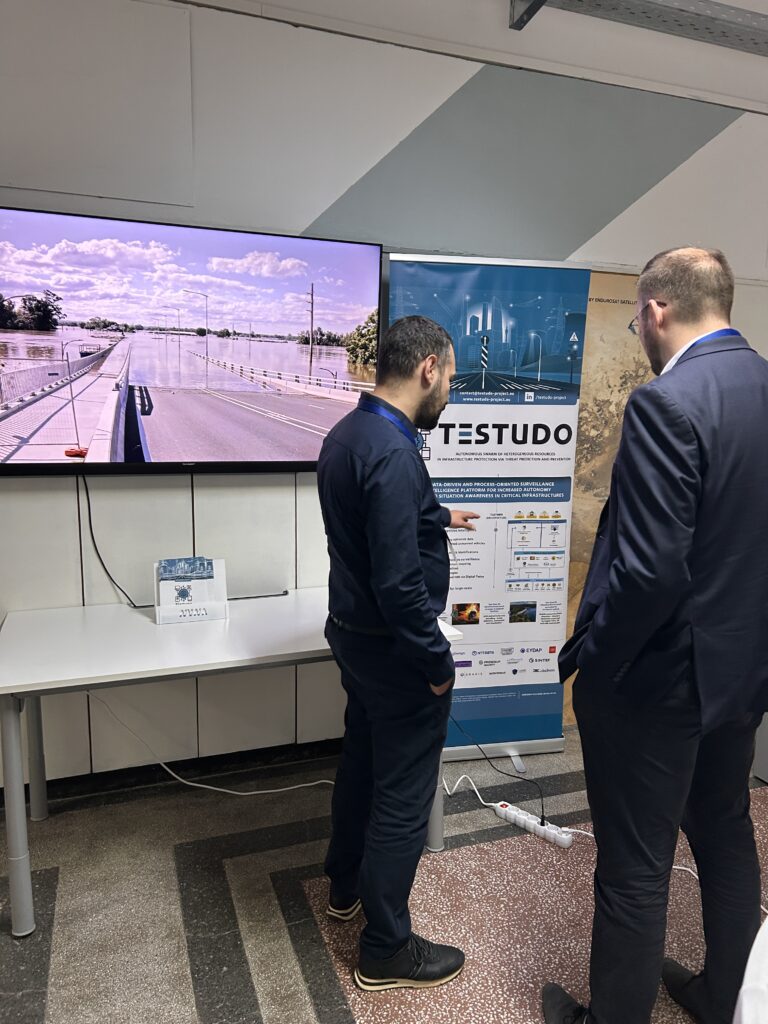
Konstantinos Gkountakos presented TESTUDO, its strategic goals and objectives, system architecture, technological assets and three Use Cases. The project was also presented at a dedicated booth featuring a roll-up banner, promotional video, and brochures, allowing direct engagement with attendees.
The goal of the RISE-SD 2026 was to provide a unique forum for disseminating scientific results, support knowledge exchange, and create networking and clustering opportunities for security stakeholders of EU-funded projects in security and defense.
Each year the Symposium serves as a platform to boost cooperation among scientific organisations, SMEs and the European security industry, practitioners, policymakers as well as other stakeholders with the overall objective to ensure a successful market uptake of the European research results in security and defence.
Today, the 2nd TESTUDO Policy brief “Operational Readiness in Critical Infrastructure Protection: Early Insights from TESTUDO Pilots“ has been publicly released.
Key Highlights
TESTUDO strengthens critical infrastructure protection through an integrated, real-time platform combining AI-enabled detection, predictive analysis, multi-sensor fusion, and coordinated robotic assets to enhance operational readiness.
UC2 pilot validation confirmed high-accuracy visual detection above 80% mean Average Precision (mAP), predictive accuracy of 80% or higher, stable low-latency performance under concurrent sensor feeds, and smooth system integration across components.
User feedback identified usability constraints, including alert overload and limited multi-sensor correlation, highlighting the need for improved prioritisation and clearer visualisation.
While aligned with the key EU frameworks, TESTUDO pilots underscored the absence of harmonised EU validation and certification pathways for AI- and autonomy-enabled critical infrastructure protection tools.
Context and objectives
This brief evaluates TESTUDO’s operational readiness and pilot outcomes, aiming to translate early evidence into actionable EU policy. It emphasizes performance, usability, and interoperability lessons learned from realistic pilot deployments.
Key Achievements and Findings
Critical infrastructure (CI) is essential to public safety, economic stability, and social well-being. However, increasing threats such as cyber-attacks, climate change-induced disasters, and other disruptions necessitate innovative solutions to enhance resilience. The TESTUDO project, funded by the European Commission under Horizon Europe, integrates artificial intelligence (AI), predictive analytics, and autonomous systems to protect CI through real-time threat detection and response.
Technological Progress: Developed a real-time platform for automated hazard identification and decision support tailored to operators.
Pilot Insights: Simulated incidents demonstrated robust performance and integration, but revealed usability constraints requiring improved alert management and visualisation.
Policy Alignment: TESTUDO aligns with EU regulations but faces barriers due to the lack of standardised validation frameworks for AI in critical infrastructure.
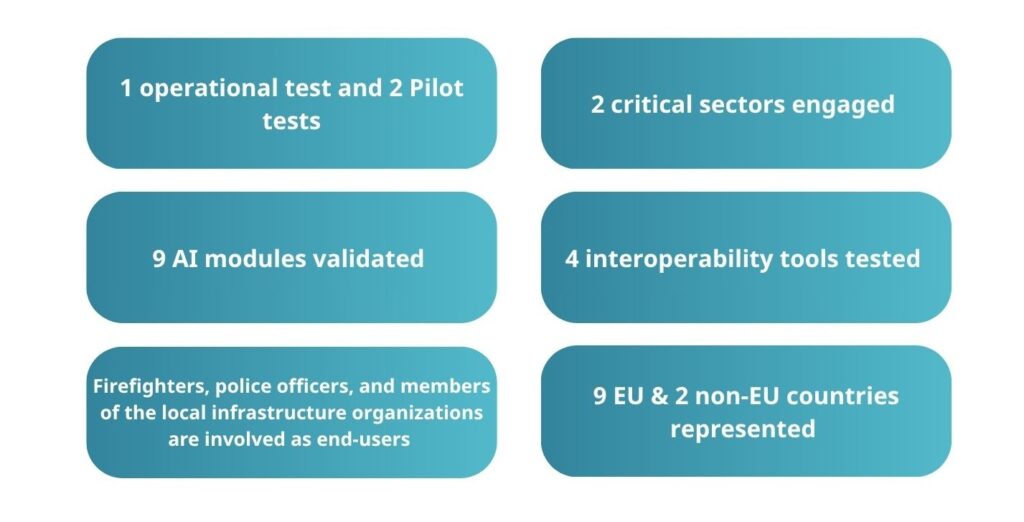
TESTUDO in Numbers
Policy recommendations
Short-term (0-1 year): Establish EU-wide testbeds for AI-enabled protection tools, enhancing usability and interoperability.
Medium-term (1-3 years): Integrate predictive AI into national policies, developing common validation standards for autonomous tools.
Long-term (3+ years): Create cross-sector cooperation platforms to sustain preparedness and align AI certification with resilience frameworks.
Key message
Europe’s critical infrastructure faces increasing risks from climate disruptions and cyber-physical threats. TESTUDO demonstrates that AI-enabled solutions can significantly enhance operational readiness but highlights the need for usable systems, clear accountability, and harmonized EU standards to facilitate practical uptake.
Read the full version of the 2nd Policy Briefhere.
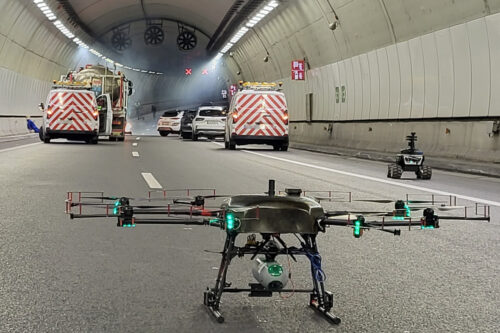
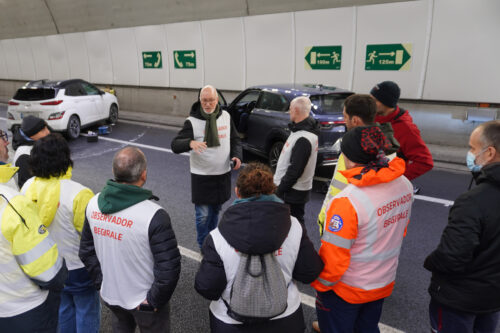
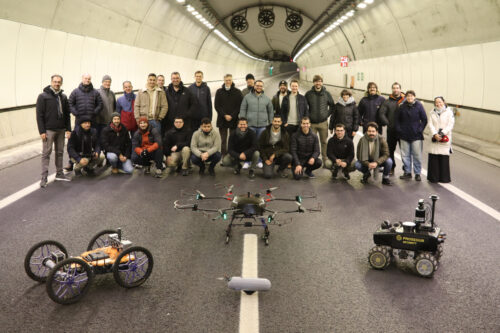
Recently, TESTUDO consortium has completed the second live trial (UC2), with the main objective of testing the system’s functionality and presenting its current state to a broader audience of stakeholders.
Operating in a challenging in-field environment was a valuable milestone for all the project partners. The challenges encountered during the preparation phase were successfully overcome, enabling the execution and testing of fundamental system functionalities, including communication pipelines between the modules responsible for UxV mission allocation, video analysis and sensor readings.
Before moving on to the next steps of system integration and preparations for the final use case, the partners will analyse the registered data as well as stakeholders’ opinions gathered after the system presentation.
The 4th physical plenary meeting of the TESTUDO project was held in Bilbao, Spain, on 5th December.
The review of project activities focused on concluding the recently completed execution of UC#2 trials, with all partners involved having the opportunity to present the current state of developments made in the TESTUDO system.
In the coming weeks, the technical partners will proceed with verifying the gathered data and validating the outcomes of UC#2. The launch of the Use Case 2 activities was a core part of the next steps column for all pending work packages.
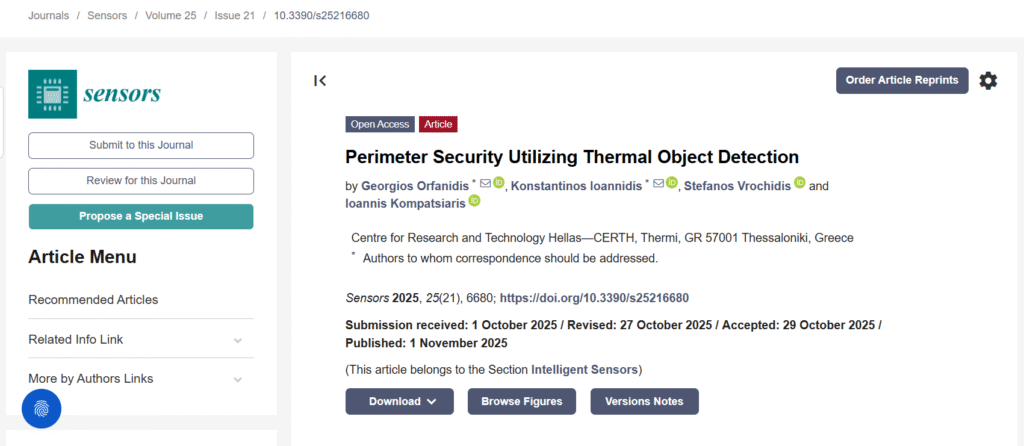
TESTUDO’s research team from the Centre for Research & Technology Hellas (CERTH) has recently published a research paper in the MDPI journal Sensors.
The main findings of the work show that thermal object detection increases surveillance capabilities and can greatly complement other surveillance systems. Results of the study suggest that the use of thermal automatic detection systems proves to be a practical and economical solution for surveillance.
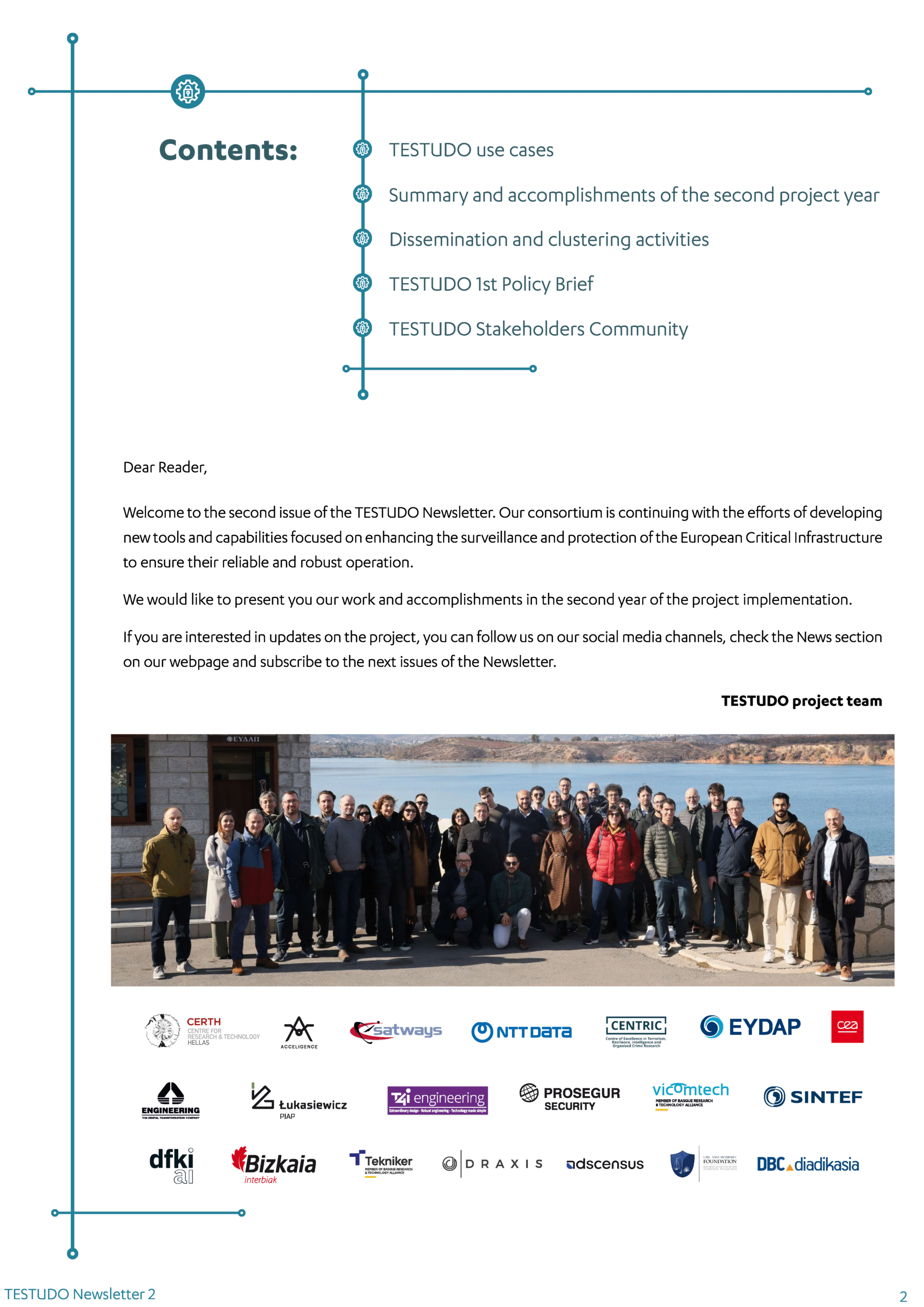
The second issue of TESTUDO Newsletter has been published and is available for download here.
The Newsletter covers summary of the activities and accomplishments in the second year of the project implementation and some highlights on the work in progress as well as dissemination and clustering activities.
Get more to know about TESTUDO and read our Newsletter!
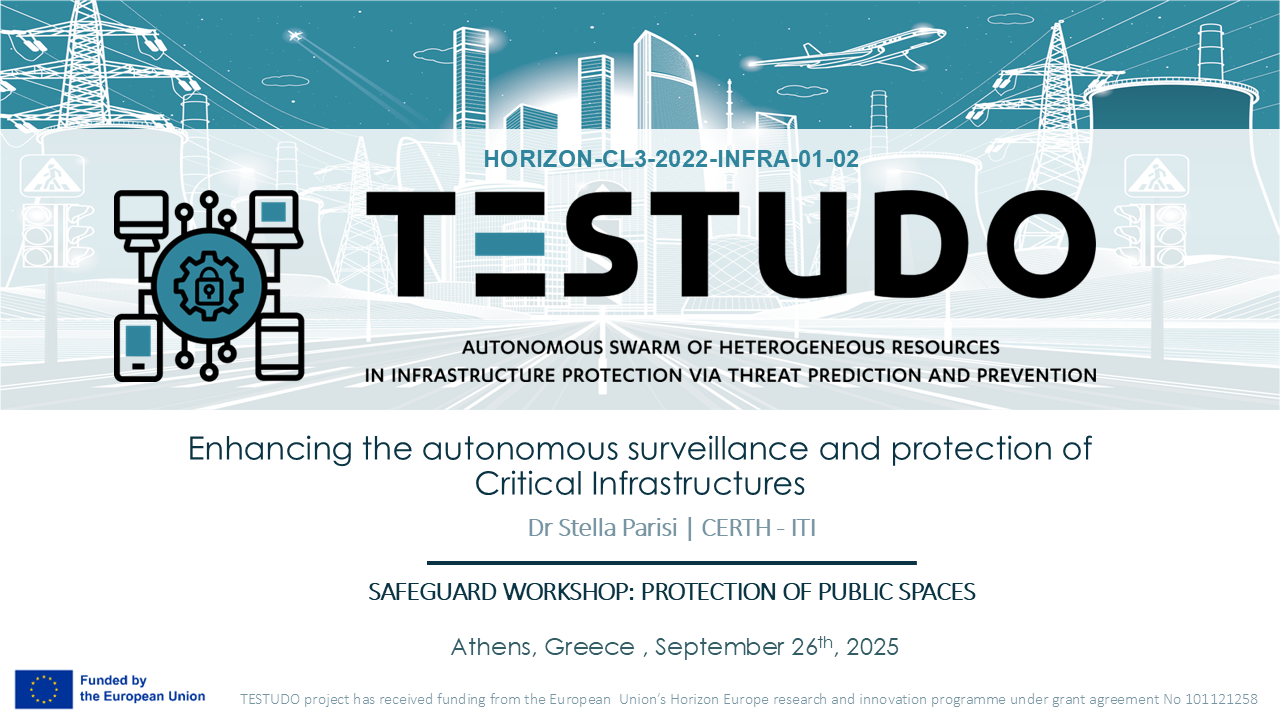
On September 26th 2025 dr. Stella Parisi from the Centre for Research & Technology Hellas (CERTH) presented TESTUDO online at the “SAFEGUARD Workshop: Protection of Public Spaces,” hosted by the Centre for Security Studies (KEMEA) in Athens, Greece.
TESTUDO featured alongside PARTES project in a dedicated presentations session focused on safeguarding public spaces through advanced threat detection and integrated security solutions.
The workshop formed part of the SAFEGUARD project activities and included pilot briefings with law enforcement partners, an expert discussion on integrated protection, platform demonstrations, and a training session, providing an excellent forum to showcase TESTUDO’s contributions and to engage with practitioners and researchers in the field.
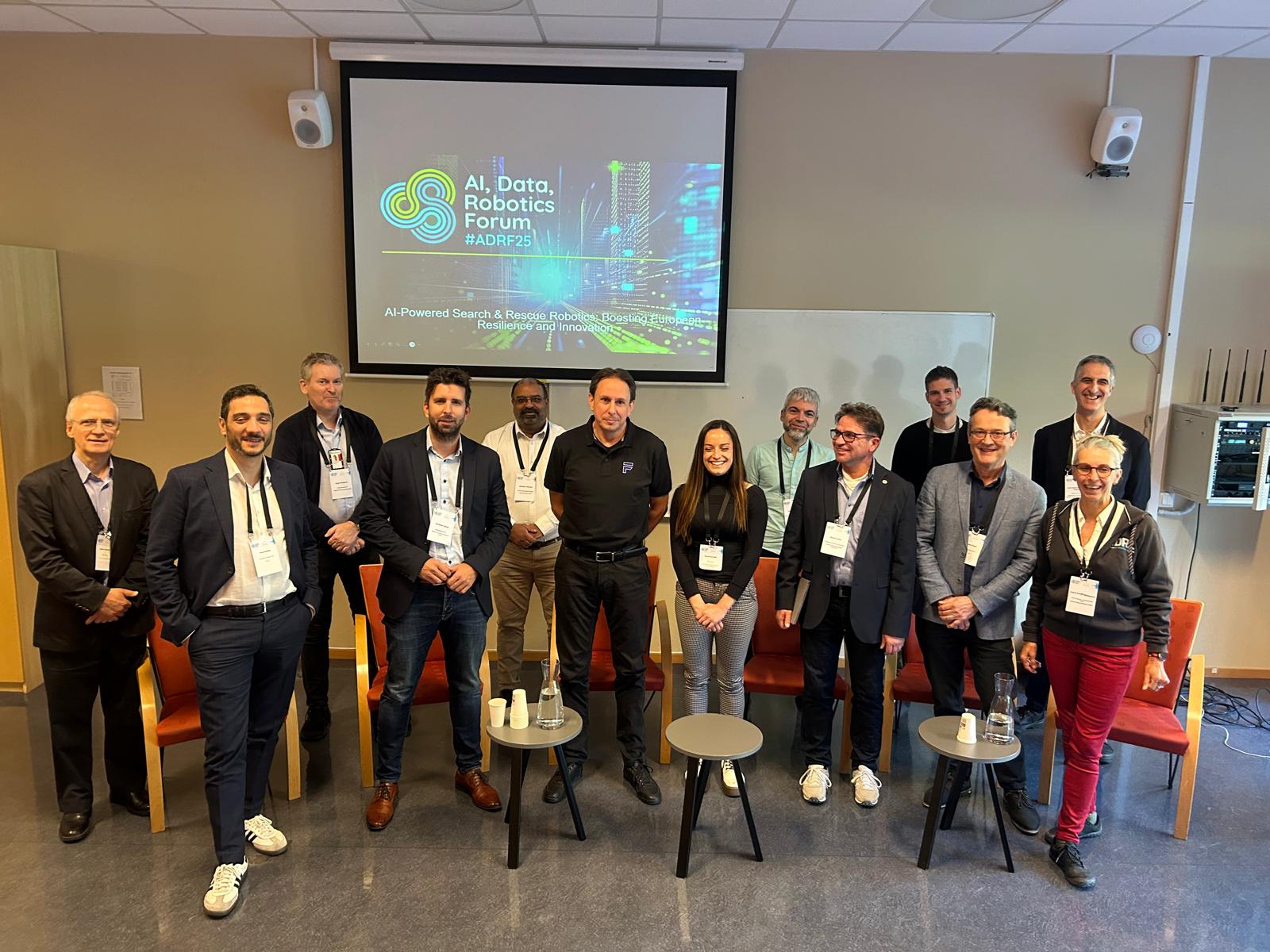
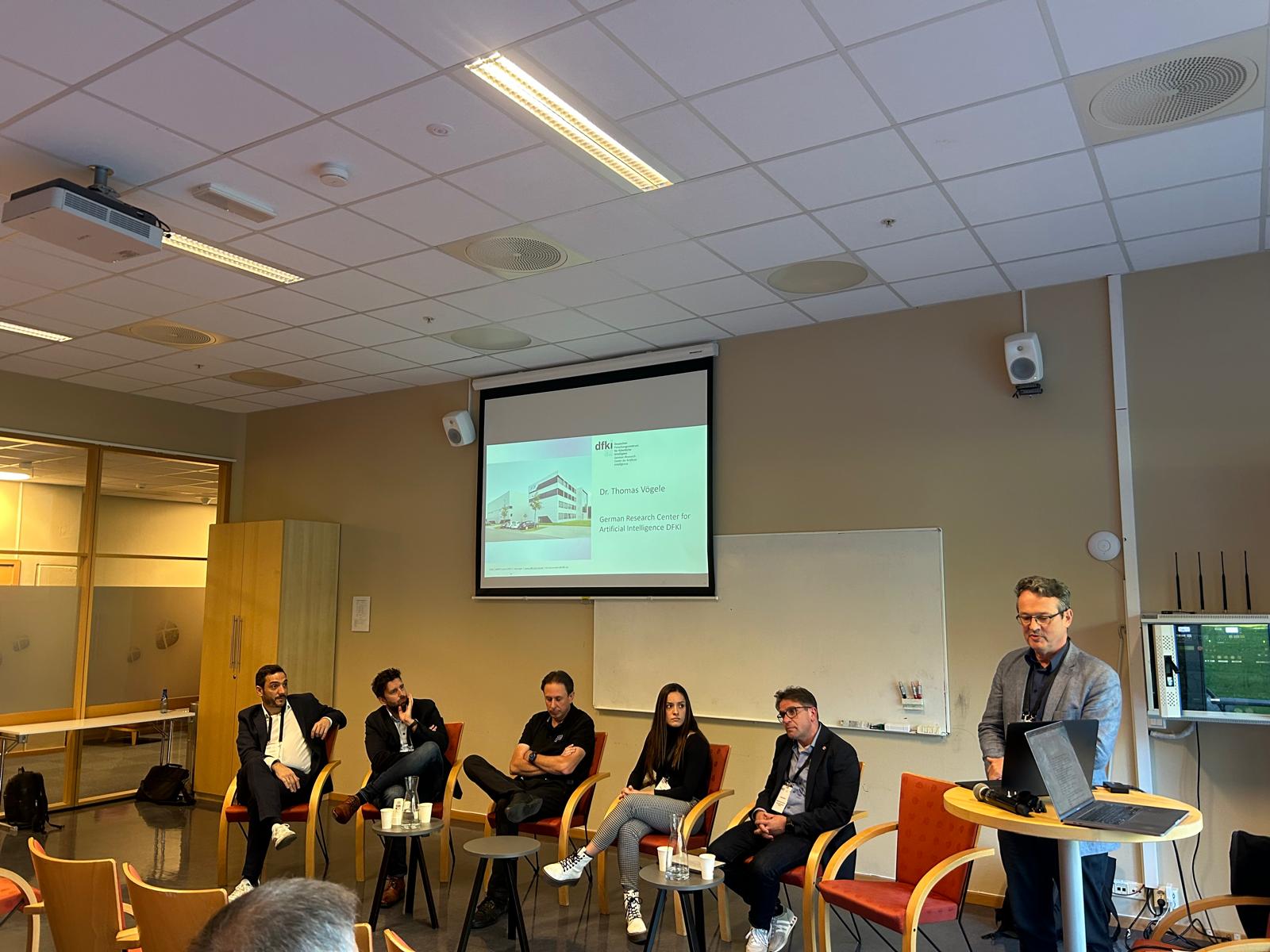
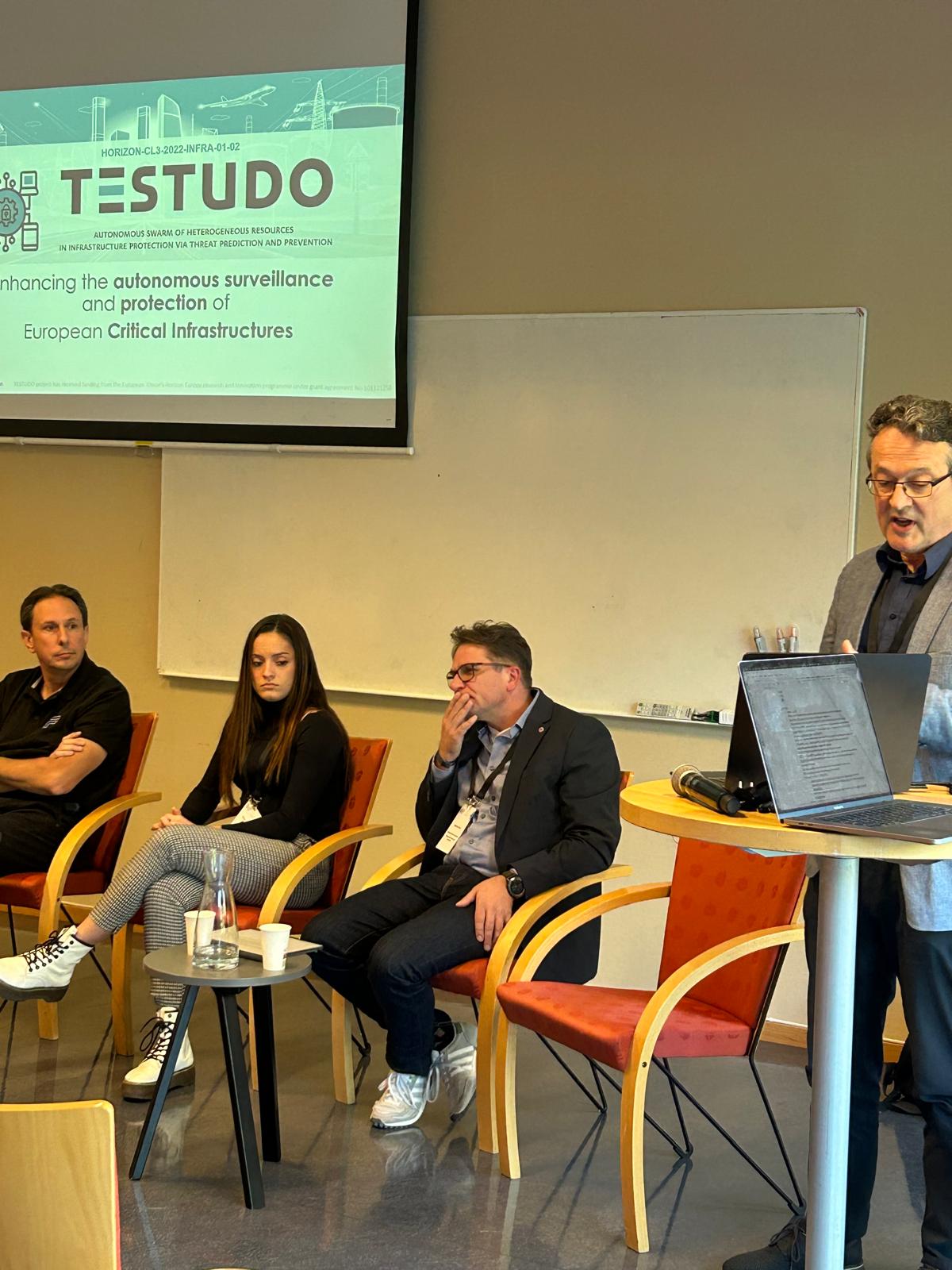
On September 23rd and 24th, around 500 delegates gathered in Stavanger, Norway, to participate in various workshops on AI, Data and Robotics as part of the ADRF’25 event. The 2025 AI, Data, Robotics Forum brought together researchers and practicioners in related topics from all over Europe.
TESTUDO was represented at the event by the German Research Center for Artificial Intelligence (DFKI) – Mr. Thomas Vögele presented the project at the workshop on “AI-Powered Search & Rescue Robotics: Boosting European Resilience and Innovation”. The objective of the workshop was to explore gaps and strategies to advance AI- and Data-driven robotics for Search & Rescue, strengthen European resilience, and unlock cross-sector innovation.
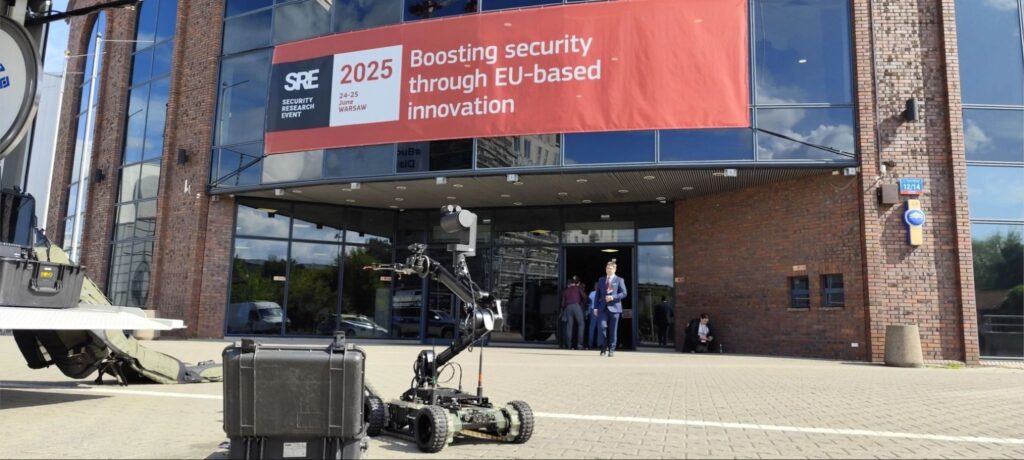
On 24–25 June 2025 TESTUDO project has been showcased at this year’s edition of the Security Research Event, held at EXPO XXI in Warsaw, Poland. The project was represented by the coordinator’s team from the Centre for Research & Technology Hellas (CERTH).
SRE’25 was an occasion to meet and present the project to over 600 participants from across Europe and beyond — including policy makers, industry leaders, law enforcement, researchers, and civil society — to exchange insights and demonstrate our progress.
The event, themed “Boosting security through EU-based innovation”, featured an exhibition of more than 50 EU-funded projects. It was a great opportunity for project representatives to connect with stakeholders, explore collaboration and contribute to shaping the future of civil security in Europe.
We use cookies to ensure that we give you the best experience on our website. If you continue to use this site we will assume that you are happy with it.

 TESTUDO strengthens critical infrastructure protection through an integrated, real-time platform combining AI-enabled detection, predictive analysis, multi-sensor fusion, and coordinated robotic assets to enhance operational readiness.
 Validate the Solution: Ensure the project developments align with real-world market needs and user requirements.